

How the Central Europe Drought Is Affecting Nuclear Plants, Food Production and Trade Routes
It’s been a rough few months for Central Europe. The rain hasn’t shown up when it should have, the heatwaves keep coming back, and now rivers are shrinking to the point where it’s affecting everything from the lights in your house to the price of bread. What started as a weather story is quickly becoming an economic one because it turns out food, energy, and shipping in this region are all tangled up with each other more than most people realize. If things don’t turn around soon, experts are saying the pain won’t stay local. We could be looking at higher electricity bills, pricier groceries, and shakier supply chains well beyond the countries actually experiencing the drought.
Nuclear Plants Are Struggling to Keep Up
Here’s something people don’t think about much: nuclear power plants need river water to cool themselves down. When rivers run low and warm up which is exactly what’s happening right now plants can’t dump as much heated water back in without breaking environmental rules. So some of them are having to scale back how much power they produce. This isn’t new territory. France, Hungary, and other parts of Central Europe have been through this before during past droughts. What’s changed is how often it’s happening now. And the timing couldn’t be worse. This is all going down in summer, right when everyone’s cranking their AC and demand for electricity is at its highest.
Farmers Are Watching Their Crops Wither
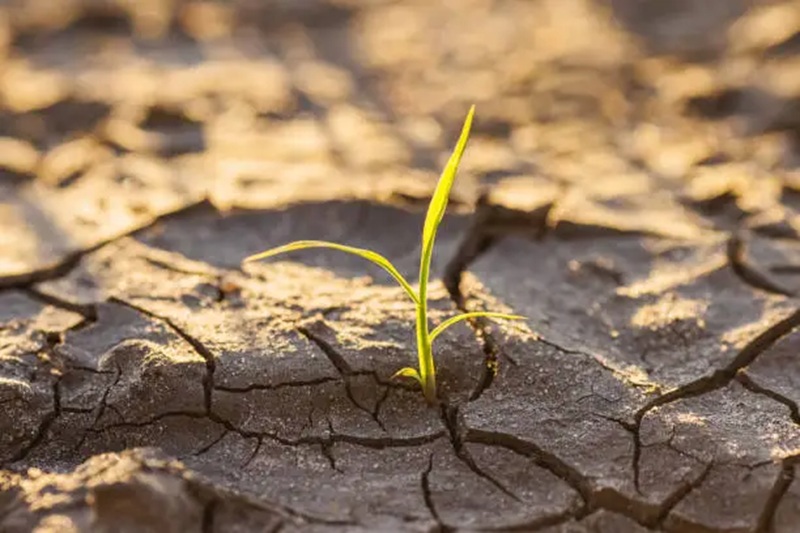
Agriculture is taking maybe the hardest hit. In Hungary, Slovakia, Austria, and the surrounding countries, farms have gotten a fraction of their usual rainfall. Corn, wheat, sunflowers, vegetables all of it is under stress. Livestock farmers aren’t spared either; with harvests down, feed costs are climbing. Farmers are leaning harder on irrigation to make up the difference, but that just puts more strain on water supplies that are already stretched thin. And if this becomes a pattern rather than a one-off, some experts think it could force real changes in what crops get planted and how farming works in the region going forward.
Ships Are Carrying Less Because Rivers Are Running Dry
Rivers aren’t just scenery in this part of Europe, they’re major highways for cargo. The Danube in particular is a critical shipping route, and stretches of it have gotten shallow enough that barges are having to load lighter just to avoid getting stuck. That means more trips to move the same amount of fuel, grain, fertilizer, and industrial goods, which naturally drives up costs and slows everything down. Companies that depend on the river are keeping a close eye on water levels, especially with the heat showing no signs of letting up.
Stay Ahead with Today’s Biggest Global Stories
Can Gaza Peace Finally Last?
Explore how Hamas accepted a ceasefire roadmap featuring complete disarmament and what it means for the region.
Who Made Algeria’s Political History?
Discover how Khalida Boufedeche became Algeria’s first woman parliamentary speaker and why it matters.
Why Are Copper Prices Dropping?
Check what caused copper prices to fall before the Fed’s rate decision and how global supply influenced markets.
How Is Europe Supporting Ukraine?
Explore how the European Commission’s €3.47 billion package will strengthen Ukraine’s defence capabilities.
What Did Zendaya Reveal Recently?
Discover what Zendaya shared about working with Tom Holland and their friendship on the Spider-Man set.
Why This Isn’t Just a Central Europe Problem
Pull back far enough and you can see how this ripples outward. Weaker harvests mean grocery prices could climb across Europe, not just locally. Energy shortfalls could push electricity costs up more broadly. And slower river shipping adds expense for manufacturers and exporters who never even set foot near the Danube. Climate scientists point out this fits a larger pattern as global temperatures climb, longer heatwaves and harsher droughts are becoming more likely, and managing water is turning into a genuinely serious economic and political issue, not just an environmental one. Governments aren’t sitting still. There’s money going into drought resilience, better irrigation, and improved water storage. But none of that happens overnight, and experts are candid that it’ll take real time and real investment before it makes a dent.
What It Could Mean for the Economy and the Environment
If the dry spell drags on, the combination of weaker harvests, less energy output, and slower trade could genuinely dent economic growth in the countries hit hardest. It’s not just about money, either. Environmental groups are sounding the alarm on what this is doing to ecosystems: fish populations, wetlands, and biodiversity are all under pressure as river levels drop and warmer water holds less oxygen for aquatic life to breathe. For everyday people, businesses, and governments, this drought is a pretty clear reminder that climate events don’t stay abstract for long. They show up in your electricity bill and your grocery receipt.
FAQs
What’s causing the drought?
A stretch of low rainfall combined with record heat and repeated heatwaves.
Why does this affect nuclear power?
Plants rely on river water for cooling, and low, warm rivers force them to cut output to stay within environmental limits.
Which industries are hit hardest?
Agriculture, energy, shipping, manufacturing, and food processing are feeling it the most.
Why do rivers matter so much for trade?
Waterways like the Danube move fuel, grain, and industrial goods when water levels drop, ships can carry less, and costs go up.
Could this push food prices higher?
Yes if the dry conditions stick around, weaker harvests and pricier transport could both drive grocery costs up.

