Canada Tightens Borders Over Ebola Fears: 21-Day Isolation and Visa Freeze Start This Week
Canada is rolling out some of its toughest public health travel measures in years as officials race to prevent the spread of a worsening Ebola outbreak in Central Africa. Beginning May 30, travelers who have recently been in the Democratic Republic of Congo (DRC), Uganda, or South Sudan will be required to be isolated for 21 days upon arrival in Canada ,even if they show no symptoms. At the same time, Ottawa is freezing new visa processing for applicants from those countries for at least 90 days. The move stops short of a full travel ban, but for many families, students, and workers caught in the middle, the impact is immediate and deeply personal.
Why Canada Is Acting Now
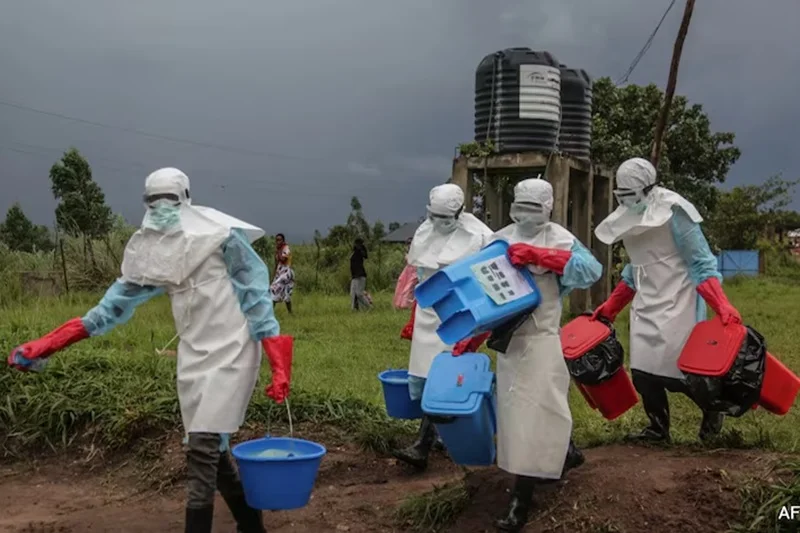
The restrictions come as global health officials warn that the current Ebola outbreak is escalating faster than response teams can contain it. The World Health Organization says the outbreak, linked to the rare Bundibugyo strain of the virus, has already led to more than 900 suspected infections and over 220 deaths across parts of the DRC and Uganda. Canadian officials say the timing is critical. With international travel expected to surge ahead of the FIFA World Cup next month ,including matches hosted in Toronto ,federal authorities are moving quickly to reduce the risk of a single imported case triggering wider concern. Health Minister Marjorie Michel underscored the government’s position during a press briefing Tuesday.
“It will take one case. One. Not two. One case.” Officials continue to describe the risk to Canadians as “low,” but insist the country cannot afford to wait.
What the New Rules Mean
Under the emergency measures, anyone who has visited the DRC, Uganda, or South Sudan within the previous 21 days must complete mandatory self-isolation after entering Canada. Government-arranged accommodations will be available for travelers unable to isolate safely on their own. The restrictions officially begin at 11:59 p.m. EDT on May 30 and are scheduled to remain in place until August 29, though officials have left open the possibility of an extension.
At the same time, Canada is pausing final decisions on several immigration categories involving applicants from the affected countries, including: Temporary resident visas, Study permits, Work permits, Permanent residence applications Electronic travel authorizations (eTAs). The suspension takes effect immediately and will last for at least 90 days. Roughly 350 travelers arrive in Canada each week from the three affected nations, according to federal estimates. About 60% are Canadian citizens or permanent residents who will still be allowed to enter under the isolation requirements. Foreign nationals with approved travel documents, however, may now be blocked from boarding flights until restrictions are lifted.
First Major Use of Canada’s Emergency Immigration Powers
The policy marks the first real-world use of Bill C-12, legislation passed earlier this year granting Ottawa broader authority to suspend or modify immigration processing during events deemed to be in the national interest. Immigration Minister Lena Diab emphasized that the government is not cancelling existing immigration documents permanently. “Documents will not be cancelled,” Diab said. “Once the measures end, documents that have not expired will be reactivated.”
Applicants already inside Canada will continue to have their files processed normally.
How Canada’s Response Compares Internationally
Canada is not alone in tightening restrictions tied to the Ebola outbreak. The United States introduced similar measures last week, barring entry for most foreign nationals who recently traveled through affected regions, while Mexico has issued travel advisories and restrictions tied to outbreak zones. Still, Canada’s approach is somewhat different. Rather than enforce a general ban against entry, the government took a hybrid approach that involved isolation and immigration measures. According to government officials, such an approach takes into consideration the need to safeguard public health while causing minimal inconvenience to Canadian citizens and permanent residents.
Families and Workers Already Feeling the Impact
For many people, the consequences are more than political or procedural. Students preparing to begin classes in Canada may suddenly find themselves unable to travel. Employers waiting for temporary foreign workers could face delays stretching into months. Families separated across continents are now confronting renewed uncertainty. And unlike previous Ebola outbreaks, health experts say there is currently no approved vaccine specifically targeting the Bundibugyo strain driving the latest surge. That reality has made border screening and isolation measures central to containment efforts worldwide.
Trending Stories You Shouldn’t Miss
Check Outlook Lite Shutdown Details
Explore how Microsoft users can save emails and switch apps before Outlook Lite officially shuts down.
Explore Better Sleep Tech Upgrades
Discover simple sleep tech upgrades that can actually improve your rest without relying on smartwatches.
Discover 007 First Light Access
Check release timings, pre-load options, and early access details for the much-awaited 007 First Light launch.
Explore Oppo Pad 6 Features
Discover how Oppo Pad 6 is bringing flagship power and massive battery life to the premium tablet market.
Check UK Heatwave Travel Warnings
Explore how the UK bank holiday heatwave is causing rail delays, road closures, and water safety concerns.
The Global Picture
The World Health Organization declared the Ebola outbreak a public health emergency of international concern earlier this month, only the second such declaration involving Ebola in recent history. Response efforts have been complicated by armed conflict and instability in eastern Congo, particularly in Ituri and North Kivu, where aid organizations face ongoing security challenges. So far, Canada and the rest of North America remain free of confirmed Ebola cases linked to the current outbreak. But with international travel increasing ahead of summer events and global sporting tournaments, governments are clearly preparing for a scenario they hope never arrives. The bigger question now is whether other countries will adopt similar restrictions ,and whether Canada’s temporary measures could last longer than officials currently expect.
FAQs
1. Do I need to be isolated if I’m traveling to Canada from Europe or Asia?
No. The isolation period is only required for travelers who visited the DRC, Uganda, or South Sudan in the 21 days prior to their departure.
2. Is my visa going to be revoked?
No. The visa suspension is temporary; visas will automatically resume once the restrictions are lifted.
3. What happens if I do not have an appropriate isolation location in Canada?
If travelers lack an appropriate isolation location, the government will arrange for accommodation.
4. Are Canadians allowed to come back home?
Yes. Canadians and Canadian permanent residents may enter the country but are required to take a medical test and be isolated for 21 days.
5. Until what date are these regulations in effect?
Isolation regulations will expire by August 29, 2026. The visa suspension regulation will depend on how the situation develops.