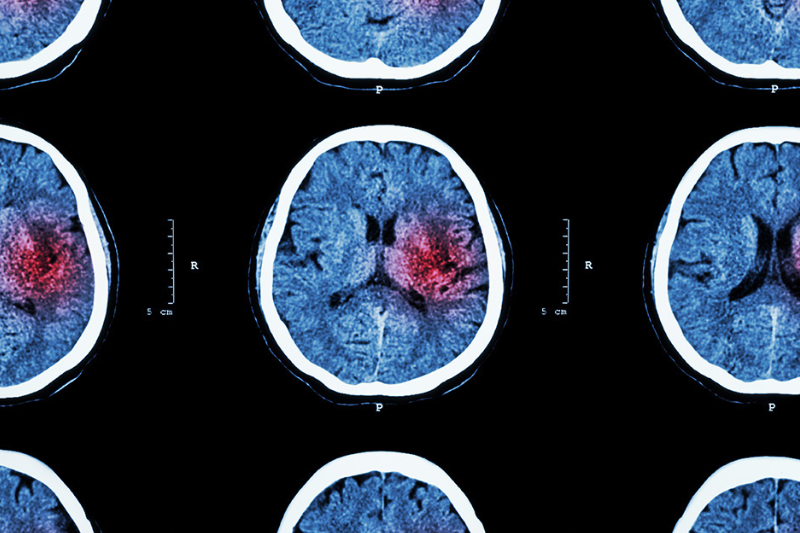
Busting Medical Myths: Exploring Popular Misconceptions About Stroke
More than 795,000 people in the US have a stroke every year, with around 76% of them encountering first strokes, according to the Centres for Disease Control and Prevention. In fact, stroke was the leading cause of death in the world in 2019.
Although the condition is very common, it is often misunderstood. The misconceptions here could comprise thoughts such as stroke is a problem of the heart, it occurs only in the elderly and the symptoms are hard to recognise. Let’s dispel five popular myths on the topic.
1. Strokes Happen In The Heart
While stroke risk is linked to cardiovascular risk factors, the condition is a problem of the brain, not the heart. It’s caused by the blockage or rupture of arteries or veins in the brain. Some people confuse it with heart attacks – caused by a blockage in blood flow to the heart.
2. Symptoms Are Hard To Recognise
Follow the simple acronym “F.A.S.T.” to recognise the most common symptoms of stroke.
F: Face Dropping
A: Arm Weakness
S: Speech Difficulty
T: Time To Seek Help
In addition, there are a few other developments to take notice of, including severe headaches without a known cause, trouble understanding speech, difficulty walking, difficulty seeing in one or both eyes, and numbness or weakness in the face, arm, leg or one side of the body.
Keep Reading
3. Stroke Is Not Preventable
Many of the common risk factors for stroke, including hypertension, high cholesterol, diabetes, obesity, smoking, alcohol consumption and stress, can be modified by lifestyle. Exercising regularly and eating a healthy diet can effectively address the risk factors.
4. Strokes Are Irreversible And Cannot Be Treated
It’s a myth as emergency treatment can reverse the symptoms of a stroke in several patients, especially if they arrive at the hospital early enough for the therapy. Therefore, it’s critical that an ambulance should be called at the onset of stroke symptoms.
5. All Strokes Have Symptoms
Research suggests symptom-free strokes are relatively more common. Often, silent strokes are identified during MRI scans for symptoms including dizziness, headaches and cognitive issues. Nevertheless, such silent conditions should be treated similarly to strokes with symptoms.