Andes Virus Outbreak on Cruise Ship Sparks Global Concern Over Rare Human-to-Human Hantavirus Spread
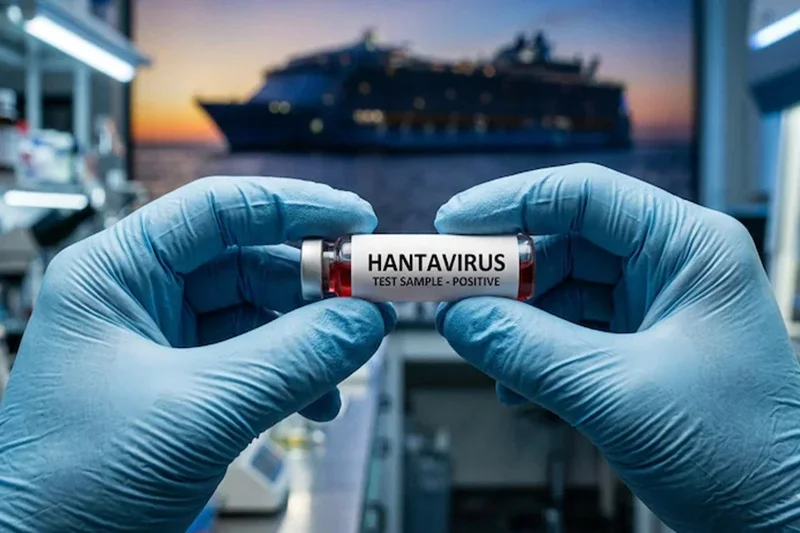
A luxury expedition cruise meant to deliver breathtaking Antarctic views has instead become the center of an international health scare after a rare strain of hantavirus linked to the MV Hondius reportedly infected multiple passengers and may have spread from person to person.
Health agencies across Europe and South Africa are now monitoring the situation closely after laboratory testing identified the Andes virus, the only known hantavirus strain capable of human-to-human transmission. While experts continue to stress that the overall public risk remains low, the outbreak has triggered fresh anxiety about infectious diseases spreading rapidly in enclosed travel environments. The outbreak, tied to the Dutch-operated cruise ship MV Hondius, has already been linked to multiple severe illnesses and at least two confirmed deaths. Investigators are now trying to determine whether the infections began through rodent exposure onboard or whether secondary transmission occurred among passengers during the voyage.
Why the Andes Virus Is Different From Other Hantaviruses
Most hantaviruses spread through contact with infected rodents or exposure to contaminated dust containing rodent urine, saliva, or droppings. These infections usually arise from individuals who breathe in viruses during the process of cleaning confined or badly ventilated areas.
This infection usually progresses to Hantavirus Pulmonary Syndrome (HPS), which is a potentially fatal respiratory condition starting with flu-like symptoms and ending up with respiratory failure. According to public health experts, HPS carries a fatality rate of nearly 38 percent in severe cases. But the Andes virus changes the equation. Unlike other hantavirus strains found in North America, Europe, or Asia, Andes virus has previously shown evidence of spreading between humans in limited outbreaks in Argentina and Chile. Researchers say transmission generally requires prolonged close contact, particularly exposure to bodily fluids during the early stages of infection.
That distinction is why the current outbreak has drawn such intense international attention.
How the MV Hondius Outbreak Began
The outbreak first drew concern after passengers aboard the MV Hondius developed serious respiratory symptoms following the ship’s South Atlantic expedition. The vessel, known for carrying adventure travelers to remote polar regions, reportedly had nearly 150 people onboard during the affected voyage. Officials believe the initial source may have been rodent exposure connected to one of the ship’s port stops or cargo areas. However, the appearance of infections among close contacts, including reports involving married passengers, has fueled questions about possible human transmission onboard. Authorities confirmed several suspected and confirmed cases across multiple countries as passengers returned home after the voyage. Health agencies in the UK and South Africa have since coordinated testing and contact tracing efforts. So far, experts say there is no evidence the virus has mutated into a more easily transmissible form.
Experts Urge Vigilance, Not Panic
Despite alarming headlines surrounding the outbreak, infectious disease specialists continue to emphasize that the Andes virus does not spread like influenza or COVID-19.
Researchers say confirmed human-to-human transmission remains extremely rare and typically occurs only through close and prolonged exposure. Medical experts also note that Andes virus is not considered “classically airborne,” meaning casual interactions are unlikely to cause infection in the way airborne diseases such as tuberculosis can. Still, the outbreak has exposed how vulnerable cruise ships remain to infectious disease events years after the COVID-19 pandemic reshaped the industry. Shared cabins, enclosed dining areas, and crowded social spaces create conditions where illnesses can spread quickly once introduced. Cruise companies are currently looking at their on-board health policies, whereas travel forums on the Internet have become occupied by debates on whether it is safe to go on longer trips.
Significance of the Outbreak Beyond the Affected Cruise Ship
Another aspect that the outbreak aboard the MV Hondius has brought back into focus is the issue of zoonoses, i.e., diseases transmitted from animals to humans. Health scientists point out that climate change, urbanization, and changes in wildlife behavior have created new opportunities for disease transmission among rodents.
The outbreak has demonstrated that better control of rats is needed within ports, shipping activities, and tourism facilities. For now, global health agencies insist the outbreak remains contained. But because hantavirus symptoms can take weeks to appear, officials are continuing to monitor passengers and close contacts who may still develop illness after returning home.
Recommended Reads You Shouldn’t Miss
Explore Why Nintendo Raised Prices?
Check the latest reasons behind Nintendo Switch 2 price hikes worldwide and what it means for gamers.
Discover One Piece 1182 Spoilers?
Explore the expected release date, major twists, and key manga spoilers fans are discussing.
Check BTS Mexico Tour Frenzy?
Discover how BTS received a massive welcome as global ARMY fans gathered in Mexico.
Explore Jessica Jones Marvel Return?
Check how Daredevil: Born Again Season 2 is reshaping Marvel’s street-level universe.
Discover Cinco de Mayo Food Trends?
Explore how tacos and regional tequilas are transforming Cinco de Mayo celebrations in 2026.
Symptoms and Prevention Measures Travelers Should Know
Early hantavirus symptoms can easily be mistaken for the flu, which is one reason health officials say early diagnosis is often difficult. Most patients initially report fever, muscle pain, fatigue, headaches, and nausea before more serious respiratory complications begin to appear. In severe cases, breathing problems can worsen rapidly within days as the infection attacks the lungs. To reduce one’s chances of infection, it is suggested that people avoid exposure to rodents and contamination areas. Such steps include keeping the home, cabin, and storerooms clean and closed, ventilating closed spaces before cleaning them, wearing gloves and face masks when dealing with rodents, not touching any rodent waste, and reporting the sighting of pests on ships, hotels, or other forms of accommodation.
It is also advised by physicians for travelers returning from these voyages or areas to see a doctor if they experience flu-like or respiratory symptoms in the coming weeks.
So far, the Andes virus incident connected to the MV Hondius cruise ship has been rare. Still, the incident has become another reminder that even years after the last global pandemic, infectious disease threats can emerge suddenly and sometimes from the most unexpected places.
FAQs
1. Which hantavirus strain spreads between people?
Only Andes virus, mainly via close contact, like spouses in South America. Rare elsewhere.
2. How deadly is this outbreak?
Two deaths so far; HPS kills up to 38%. Supportive care key.
3. Can I get hantavirus on a cruise?
Low risk, but check rodent reports. Ventilate and avoid dust.
4. Is there a vaccine?
No approved one yet; trials ongoing for high-risk areas.
5. Should I cancel my cruise?
Monitor advisories. Industry tightening protocols.