Breaking: Biden Tells Netanyahu U.S. Won’t Support Israeli Counterattack on Iran
In a recent development, President Biden conveyed to Israeli Prime Minister Benjamin Netanyahu that the United States will not endorse any retaliatory measures against Iran. This communication comes amidst escalating tensions in the region following Iran’s attack on Israel, prompting concerns of a potential regional conflict.
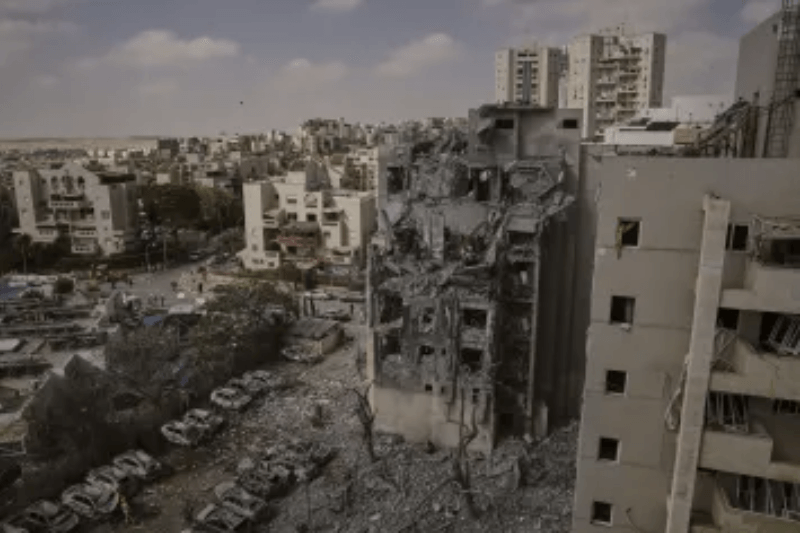
Iran launched a significant offensive against Israel, utilizing drones and missiles in retaliation for an airstrike in Syria that claimed the life of a top Iranian general. The attack, which occurred on Saturday night, saw over 200 projectiles deployed from Iran, targeting Israeli territory. While the majority of these threats were intercepted, the incident has heightened anxieties regarding the stability of the region.
Biden’s Stance
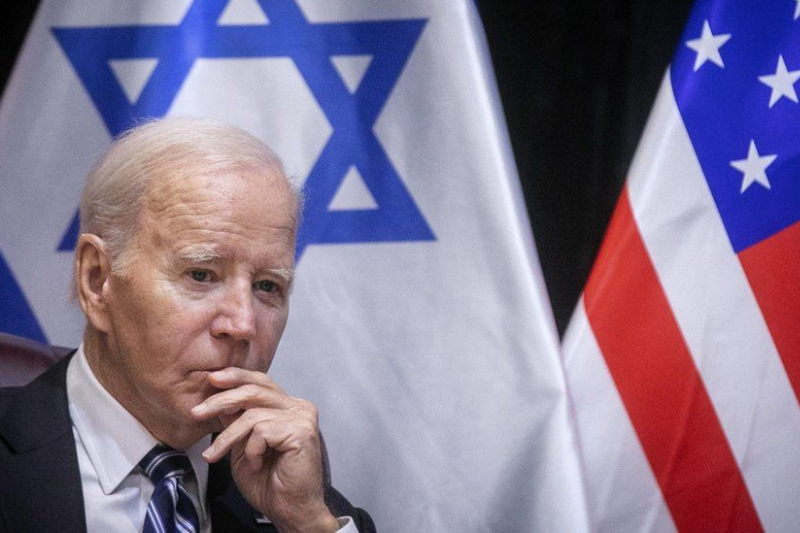
President Biden’s decision not to support an Israeli counterattack reflects the administration’s apprehensions about the consequences of escalating hostilities. Amidst fears of a full-fledged regional war, Biden emphasized the importance of de-escalation and restraint. The United States’ commitment to Israel’s security remains steadfast, but Biden’s approach underscores a strategic shift in handling the delicate geopolitical dynamics of the Middle East.
Keep Reading
Israel’s Response
Prime Minister Netanyahu acknowledged Biden’s position, indicating an understanding of the U.S. stance on the matter. Israel’s defense efforts, in collaboration with the U.S. and other regional allies, were credited with thwarting the majority of incoming threats from Iran. Despite the challenges posed by the recent attack, Netanyahu was encouraged by the successful defense measures employed by Israeli forces.
The aftermath of Iran’s offensive has prompted diplomatic consultations and strategic reassessments among key stakeholders. President Biden announced plans to convene with G7 leaders to coordinate a unified response to Iran’s actions, emphasizing the importance of diplomatic engagement in resolving the crisis. As tensions persist in the region, the international community remains vigilant, monitoring developments closely to prevent further escalation.
Conclusion
The evolving situation in the Middle East underscores the complexities of regional geopolitics and the challenges of maintaining stability amidst heightened tensions. President Biden’s decision not to support an Israeli counterattack reflects a calculated approach aimed at de-escalating the conflict and fostering diplomatic solutions. As the international community navigates this delicate juncture, concerted efforts toward dialogue and negotiation are paramount to averting a broader crisis.