AI in 2025: How Technology Is Shaping the Everyday Life of Americans
Morning routines sound different now. Instead of alarms blaring, many Americans wake up to a calm voice saying, “It’s 7 a.m., and traffic looks light.” Lights brighten softly. Coffee brews itself. That quiet efficiency has become the new normal in 2025.
Artificial Intelligence has worked its way into homes, cars, phones, even fridges. It keeps calendars tidy, plans meals, tracks sleep, and manages bills. Most people didn’t plan to depend on it—it just became part of daily life, quietly replacing manual habits.
The most liberal states in the U.S. lead this shift with stronger tech ecosystems and early adoption programs. Meanwhile, the poorest cities in America are catching up through low-cost devices and public-access initiatives. What used to look like a tech divide now feels more like slow leveling.
AI Adoption in America: 2025 Snapshot
| Category | AI Tools (2025) | Key Benefit | Usage Rate |
| Smart Homes | Alexa, Google Home, Apple HomeKit | Automation & convenience | 89% of households |
| Work Tools | ChatGPT-5, Notion AI, Jasper | Writing & task automation | 76% professionals |
| Healthcare | Fitbit Sense AI, Ada Health | Personalized wellness tracking | 68% adults |
| Education | Duolingo Max, Khanmigo | Adaptive learning | 61% students |
| Finance | Cleo AI, Mint AI | Expense management | 54% users |
| Transportation | Tesla FSD, Google Maps AI | Route optimization | 47% drivers |
| Creativity | Midjourney, Runway ML | Visual & content creation | 72% Gen Z users |
| Shopping | Amazon AI, Shopify Magic | Personalized shopping | 80% shoppers |
| Public Services | IRS Chatbot, DMV AI | Faster processing | 40% adoption |
| Security | Ring AI, Nest Cam IQ | Predictive alerts | 63% urban homes |
AI Tools Transforming American Life in 2025
Artificial Intelligence isn’t glamorous anymore. It’s routine. You hear it through reminders, see it in suggestions, and trust it with things you used to handle yourself.
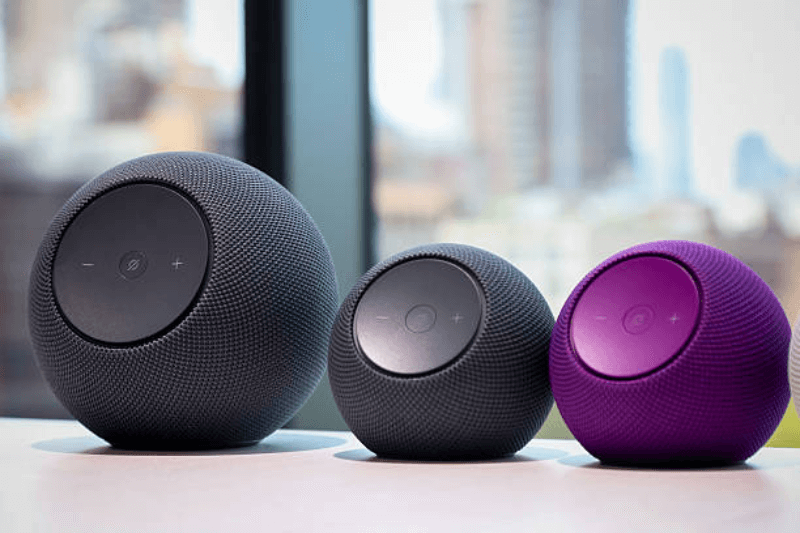
1. Smart Home Companions
Lights sync with sunrise. Speakers remind you about medication. Groceries reorder themselves. Comfort now feels automatic.
2. AI Writing & Office Tools
Work feels lighter. ChatGPT-5 and Copilot draft proposals and tidy grammar before lunch. People focus more on ideas, less on typing.
3. Health & Wellness Monitoring
Watches track pulse, calories, and sleep. They buzz softly if your heart rate spikes or you’ve been sitting too long.
4. Smarter Personal Finance
Cleo AI and Mint turn budgets into living dashboards. Bills line up neatly. Spending mistakes glare back in bright colors—honest but helpful.
5. AI in Classrooms
Khanmigo tutors adjust lessons instantly. Students learn at their own speed. Teachers finally breathe between grading piles.
6. Autonomous Transportation
Cars anticipate turns before maps do. Traffic reroutes on its own. Drivers still keep one hand ready, just out of habit.
7. Creative Expression Tools
Midjourney and Runway ML help creators sketch, film, and experiment faster. A few taps turn rough ideas into finished projects.
8. AI-Powered Shopping
Search results feel strangely accurate. You think about a jacket once, and it reappears later—your size, your color.
9. Home Security and Protection
Cameras now recognize delivery people and pets. Alerts come only when something feels unusual. Quiet nights feel normal again.
10. Public Service Upgrades
License renewals and tax questions take minutes instead of hours. AI chatbots handle the basic stuff so people behind desks can focus elsewhere.
The Road Ahead for Everyday AI
By next year, AI will likely sense emotion in voices or hesitation in words. It might dim lights if you sound tired, or pause music when the doorbell rings. The trick will be balance—keeping help convenient without making people feel watched.
For now, most Americans seem fine with the trade-off. It saves time, organizes chaos, and gives small comforts that nobody really wants to give up. That’s how quiet revolutions usually work. They stop feeling like change and start feeling like routine.
FAQs
1. How is AI changing everyday routines for Americans in 2025?
It handles chores, bills, health tracking, and communication, giving people more time for daily life.
2. Which industries in the U.S. use AI most actively now?
Education, healthcare, finance, creative fields, and transportation lead AI use across states.
3. Are AI-powered assistants replacing human jobs in 2025?
They cut repetitive work but still rely on people for creativity, setup, and maintenance.
4. How secure is AI use in smart homes and devices?
Encryption helps, but privacy still depends on good passwords and regular updates.
5. What future improvements are expected in American AI adoption?
Better emotional recognition, cheaper access, and stronger privacy controls are expected in 2026.