

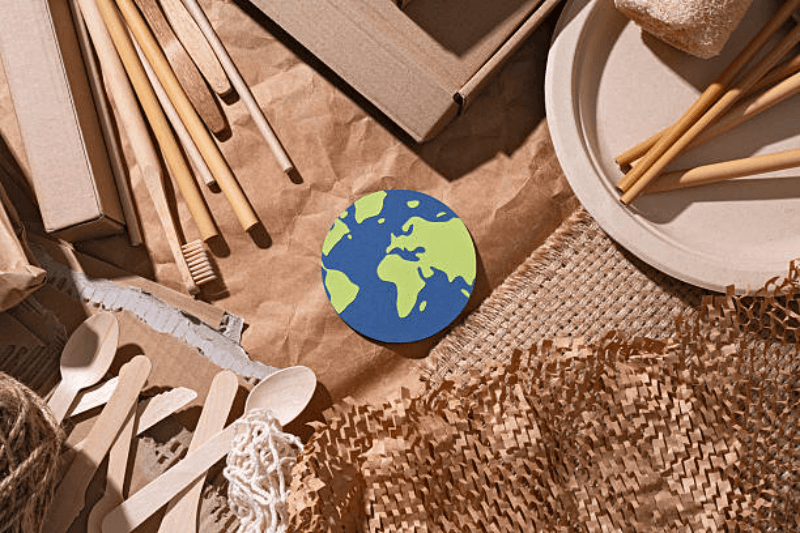
The 24-Hour No-Plastic Challenge: Why Millions Are Ditching Plastic This Earth Day 2026
On most mornings, plastic enters our lives without us noticing. It wraps our groceries, lines takeaway boxes, and even hides in the products we use before breakfast. But today, April 22, 2026, is different.
Around the world, people are joining the 24-Hour No-Plastic Challenge, a simple yet impactful idea linked to Earth Day: avoid single-use plastic for one full day. What seems small on paper is growing into something much larger. Organizers hope that over one billion people will take part this year. It’s not about being perfect. It’s about raising awareness and building momentum.
What Is the 24-Hour No-Plastic Challenge?
The main goal of the challenge is simple: don’t use single-use plastics for one full day, from midnight to midnight. This means not using plastic bags, water bottles, straws, food wrappers, or takeout containers. The idea isn’t new but it’s getting more attention now. Environmental groups have been worried about plastic pollution for a long time, and this challenge is part of that growing movement. Environmental groups have been raising concerns about plastic pollution for years, and this challenge is part of that growing movement. Earth Day has been celebrated since 1970 but in 2026, it feels more real people are more aware, more involved and taking it personally.
All around the world, in over 180 countries, people are joining in. There are beach clean-ups, small community events, and simple efforts at home. On social media, people are sharing their experiences of what worked, what didn’t, and how hard it actually is to go a day without plastic.
Why This Year Feels Urgent
Plastic waste isn’t new, but its scale is hard to ignore now. Every year, millions of tons of plastic end up in the oceans. It harms marine life, breaks down into microplastics, and eventually finds its way back into the food chain. Scientists and policymakers are calling for major cuts in plastic production over the next two decades, but change at that level takes time. That’s where campaigns like the 24-Hour No-Plastic Challenge come in. They don’t solve the crisis overnight, but they change behavior. Over time, behavior shapes demand. In places like Kolkata and other urban centers across India, the issue is especially visible. Plastic clogs drains, piles up in landfills, and flows into rivers. Local communities are responding with swaps, awareness drives, and grassroots clean-up efforts.
How People Are Taking Part
What makes this challenge effective is how simple it is. You don’t need special tools or a complete lifestyle change; just some planning. Some people start their day with small swaps. They use steel or glass containers, carry cloth bags, or skip packaged snacks. Others take it a step further by cooking at home, avoiding deliveries, or getting unpackaged produce from local markets. Workplaces are getting involved as well. Refill stations are taking the place of bottled water. Lunchboxes are becoming popular again. Even small choices, like refusing a straw, begin to add up. Then there’s the social aspect. People are sharing their experiences online, tagging posts, exchanging tips, and motivating others to give it a try even if just for a day.
Does One Day Really Make a Difference?
It’s a fair question, and critics often raise it. A single day without plastic won’t solve a global crisis, but that’s not really the point. What matters is what happens next. Studies from similar campaigns show that when people try going plastic-free, even for a short time, many keep some of those habits. Reusable bags stick around, bottled water gets replaced, and awareness becomes routine. There’s also an economic ripple effect. As demand for reusable products increases, businesses respond. Over time, this can change entire supply chains. Perhaps most importantly, collective action sends a signal to companies, policymakers, and each other.
A Movement, Not a Moment
The energy around this year’s 24-Hour No-Plastic Challenge feels different because it’s not just about one day anymore. It’s about building a habit, starting conversations, and proving that change, however small, can grow. Some participants will return to their routines tomorrow. Others won’t. But today, for 24 hours, millions, possibly billions are choosing to do things differently. In a world where plastic has become nearly invisible in its presence, that shift in awareness might be the most powerful result of all.
FAQs
1. What counts as single-use plastic in the challenge?
Bags, straws, bottles, wrappers, and anything thrown away after one use. Use only reusable items.
2. Can I join if I live in a plastic-heavy area like India?
Absolutely. Focus on alternatives like steel instead of polythene. Local events help build community.
3. What’s the 2026 Earth Day theme?
“Our Power, Our Planet” promotes clean energy and anti-plastic efforts.
4. How do I track participation?
Share on social media using #NoPlastic24Hour. EarthDay.org lists events.
5. Will this really reduce global plastic?
Yes, one day raises awareness and encourages policy changes aimed at cutting production goals by 60% by 2040.
Summary:
Today, April 22, 2026, Earth Day calls 1 billion people to the 24-hour no-plastic challenge. Ditch single-use plastics here’s how it reduces waste and sparks real change worldwide.


