

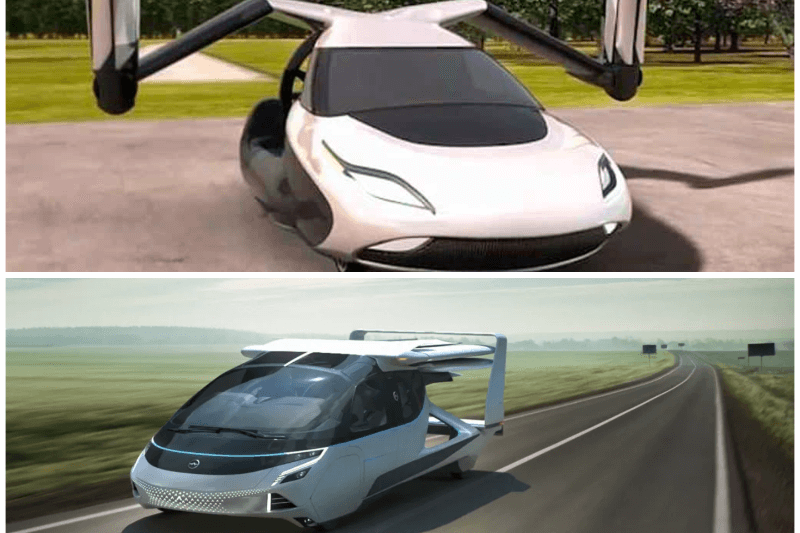
World’s First Flying Car Assembly Gains Strong Online Traction
The world’s first flying car assembly is capturing global attention, with concept videos, test flights, and futuristic designs gaining strong online traction. Once appearing as untouched science fiction, what is becoming more of a reality is the innovators who are striving to create vehicles that will be able to travel on the road and then take off either vertically or off of short runways. Enthusiasts see flying cars as a possible solution to congestion, long commutes, and limited transport options in crowded cities. Meanwhile, there are concerns regarding the safety, regulations, affordability and the impact on the environment. Since the initial flying car assembly gains more and more momentum, people are becoming fascinated and debating equally.
What Makes the First Flying Car Assembly Unique?
The world’s first flying car assembly brings together advanced automotive engineering and aviation technology in one platform. These cars will be based on the premise of being able to drive on the road and fly on air with the introduction of electric or hybrid propulsion to minimize noise and emissions.
Manufacturers are emphasizing on light materials, smaller sizes, and easy to use controls to attract individual owners, as well as a potential air taxi operator. The strong online traction around the project comes from teaser footage, behind-the-scenes updates, and early test results shared across social media and tech news sites.
Public Reaction and Online Buzz
Interest in flying cars has exploded as videos and images circulate online, fueling excitement among tech fans, investors, and travelers. The prospect of avoiding traffic jam and experiencing aerial views on the daily commutes attracts the attention of many.
Nonetheless, there are also issues that are raised in the social media debates. The question that is mostly posed by the users is how secure these vehicles will be, who should be in charge of flying them and whether they will be available to only the rich. The world’s first flying car assembly has become a focal point for broader conversations about the future of mobility and urban air transport.
Challenges Ahead for Flying Cars
Despite the strong online traction, large-scale use of flying cars faces major hurdles. The aviation authorities need to come up with new laws concerning the low altitude city air space, licensing of pilots, and maintenance. The infrastructure that will be required in the cities will include vertiports, charging stations and noise controls.
Another obstacle would be cost since initial models are expected to be costly. Mass production and the development of technologies in the long run may cause prices to fall. If these challenges are addressed, the world’s first flying car assembly could mark the beginning of a new era in personal and urban transportation.


