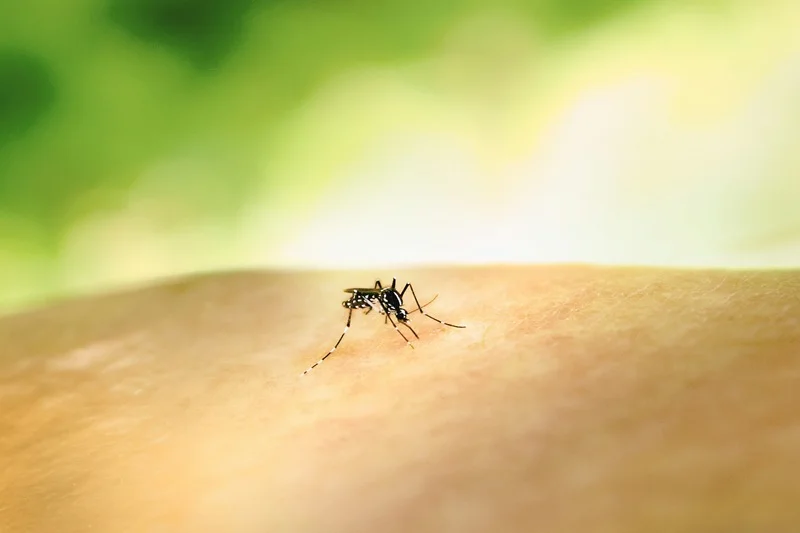
Why Do Mosquitoes Bite Some People More Than Others? New Study Reveals the Science Behind It
We’ve all seen it happen. A group of friends spends an evening outdoors, yet one person ends up covered in itchy mosquito bites while everyone else escapes unharmed. For years, many blamed bad luck. Science now suggests something much more interesting is happening. Researchers from Yale University have uncovered fresh clues about why mosquitoes appear to target certain individuals more than others. Their findings show that a person’s body chemistry can make them significantly more attractive to these disease-carrying insects. The reason, scientists say, comes down to a complex mix of scents, sweat compounds, and even the air we breathe out.
Mosquitoes Don’t Choose Their Targets Randomly
Contrary to popular belief, mosquitoes don’t just fly around biting the first person they see. Instead, they rely on a complex suite of biological cues to find suitable hosts. Mosquitoes are able to sense signals from great distances that lead them to humans. As they approach they use other sensory information to decide whether to land and feed. Some people are born with stronger versions of these signals, which make them much more attractive than other people.
Carbon Dioxide Acts Like a Beacon
One of the best mosquito attractants is carbon dioxide (CO2), which humans exhale every time they breathe. Mosquitoes can detect CO₂ from surprisingly far away and use this as an early warning that a possible blood meal is nearby. People who give off more carbon dioxide attract more mosquitoes. That’s often because they have a higher body mass, are more active, are pregnant or have higher metabolisms. Bottom line: The more CO2 you give off, the easier it is for a mosquito to find you.
Your Sweat May Be Making You More Appealing
The Yale study also found some compounds in human sweat that affect mosquito behaviour. Some salt-amino acid combinations can trigger feeding in mosquitoes, while other compounds appear to repel the insects and even inhibit egg-laying behavior, researchers found. This might explain why certain people seem to be “mosquito magnets” wherever they go. Their sweat chemistry simply sends out stronger signals of attraction.
Skin Odors Could Be the Biggest Factor
Scientists have long suspected that skin odors play a big role in mosquito preference, and recent research is backing up that theory. Special attention has been given to carboxylic acids naturally produced on the human skin. People with higher concentrations of these compounds seem to attract mosquitoes at much higher rates. One test found that a volunteer identified as a “mosquito magnet” attracted mosquitoes nearly 100 times more than the least attractive volunteer. Scientists have identified hundreds of chemicals responsible for the smell of the human body, showing that mosquito attraction is based on a very complex chemical signature specific to each individual.
Clothing Color Matters Too
Mosquitoes don’t just rely on smell. They also use visual cues to find hosts, particularly after sensing carbon dioxide. Mosquitoes tend to be attracted to dark clothes, since it makes for a more distinctive visual contrast. Your clothing color by itself will not decide if you get bit, but it can make you more visible when combined with attractive scent signals.
More Than Just an Itchy Problem
When it comes to knowing why mosquitoes prefer some people, it’s not only comfort that matters. Mosquitoes are among the deadliest creatures on Earth, spreading diseases like dengue fever, malaria, Zika virus and West Nile virus. More bites may mean you’re at higher risk for being exposed to mosquito-borne diseases. Also researchers are studying how changes in the environment are changing mosquito behavior. More recent evidence suggests that habitat destruction and deforestation have brought humans into closer contact with some mosquito species, providing more opportunities for the transmission of disease.
What Scientists Hope to Achieve
By understanding the biological factors that make some people more attractive to mosquitoes, researchers hope to develop more effective prevention strategies. Potential applications include:
- Improved mosquito repellents tailored to specific chemical attractants
- Better protection for people at higher risk of mosquito bites
- New public health approaches aimed at reducing disease transmission
The findings could eventually help scientists interfere with the very signals mosquitoes use to locate humans.
More Stories Worth Exploring
What’s New on HBO Max?
Explore the biggest movie additions streaming on HBO Max this June, from cult classics to recent hits.
How Big Is Backrooms’ Debut?
Discover how Backrooms shattered expectations and became A24’s biggest opening weekend success.
Can Fans Outsmart Ticket Bots?
Check out practical strategies that can improve your chances of securing concert tickets faster.
Why Looks Tonight’s Moon Different?
Explore the science behind tonight’s bright moon and tomorrow’s rare Blue Moon phenomenon.
Where Watch Spelling Bee Live?
Discover how and where to catch the 2026 Scripps National Spelling Bee live tonight.
How to Reduce Mosquito Bites
While it’s impossible to completely change your natural body chemistry, experts recommend several ways to lower your chances of being bitten:
- Wear light-colored clothing whenever possible.
- Use proven mosquito repellents approved by health authorities.
- Avoid heavily scented perfumes, lotions, and body sprays.
- Limit outdoor activity during peak mosquito hours.
- Remove standing water around homes where mosquitoes breed.
FAQs
Why do mosquitoes bite some people more than others?
Mosquitoes are attracted to a combination of carbon dioxide, body odor, sweat compounds, body heat, and skin chemicals such as carboxylic acids.
Can someone stop being a mosquito magnet?
You cannot completely change your natural body chemistry, but using repellents, wearing lighter clothing, and avoiding strong fragrances can help reduce attraction.
Does blood type affect mosquito preference?
Some studies have suggested mosquitoes may show preferences for certain blood types, but evidence remains mixed and other factors appear far more important.
When are mosquitoes most active?
Activity varies by species. Some mosquitoes are most active around dawn and dusk, while others feed primarily at night.
Why is mosquito research important?
Understanding mosquito behavior can help scientists develop better prevention tools and reduce the spread of diseases such as dengue, malaria, and Zika.