From Smart Rings to Health Sensors: The Wearable Tech Trends Everyone Is Talking About
Wearable tech is entering a new phase, and it’s not about counting steps or counting calories anymore. The latest generation of devices is getting smaller, smarter and far more integrated into daily life, with smart rings and advanced health sensors emerging as two of the most talked-about trends of 2026. The difference with this shift is more focus on convenience and personalization. Consumers want tech that works quietly in the background to provide meaningful health insights without requiring constant attention. Demand is driving rapid innovation throughout the wearable tech industry.
Smart Rings Move Into the Mainstream
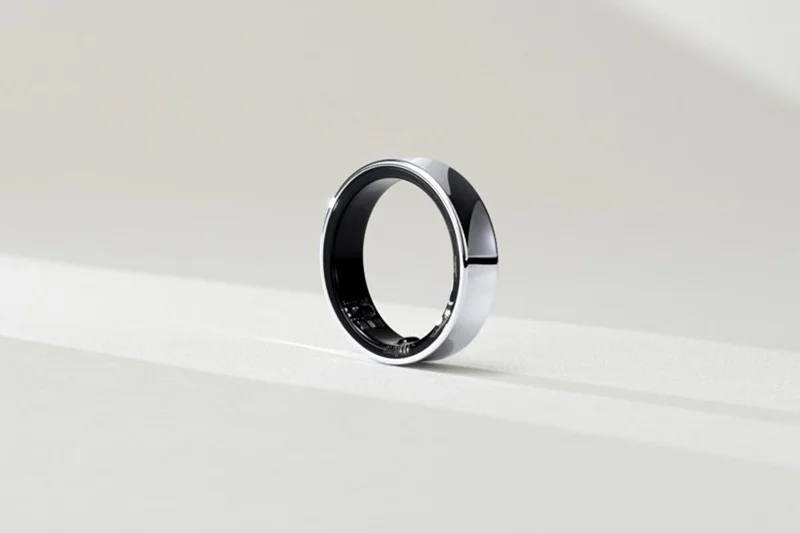
For nearly a decade, the wearable space was dominated by smartwatches. Smart rings, on the other hand, are making a name for themselves, packing many of the same health-monitoring features into a much smaller package. Smart rings have been brought into the spotlight by products such as the Oura Ring 4 and the Samsung Galaxy Ring. These devices are almost invisible in everyday use and can track sleep quality, heart rate variability, body temperature trends and recovery metrics. You can understand their appeal. Smart rings don’t add another screen to a person’s day like smartwatches do. They are light, comfortable and discreet enough to wear all the time. Improved sensor technology and longer battery life are moving smart rings from niche gadgetry into a more practical wellness category. Industry analysts believe this category still has significant room to grow as consumers seek wearable devices that blend seamlessly into their lifestyles without sacrificing functionality.
Health Sensors Are Becoming More Advanced
Smart rings are getting the attention, but the big leap in tech may be happening behind the scenes. Modern wearable devices are equipped with more and more sophisticated health sensors, which allow monitoring of a variety of parameters such as heart rate, blood oxygen levels, stress, skin temperature and electrocardiogram (ECG). Developers are also testing flexible patches and next generation sensors that would allow for continuous monitoring throughout the day. The goal is to move beyond the snapshot of health and toward a more complete picture of the body’s response in real time to sleep, exercise, stress and recovery. For users, that can mean insights they can act on. Wearables can help people identify early signs of fatigue, high stress levels or disrupted sleep patterns, giving them more information to help make everyday health decisions. The technology is not meant to replace healthcare professionals, but it is helping people become more aware of their overall wellness.
AI Is Making Wearables More Personal
The integration of artificial intelligence is another major factor driving the adoption of wearable tech. Early generations of fitness trackers were all about gathering data. The newer devices are more about interpreting that information and offering personalized recommendations. But AI-powered wearables can give you context, such as how sleep quality can affect recovery, energy levels or physical performance, rather than simply telling you that you slept for six hours. This one-to-one coaching approach simplifies the understanding of health data and makes it more relevant to daily life. As AI capabilities continue to evolve, there are good reasons to believe that wearable devices will become increasingly proactive in helping users to recognize patterns and make informed lifestyle changes before small issues become larger problems.
Why Consumers Are Embracing the Trend
Consumer expectations are also evolving, which is contributing to the popularity of wearable technology. People want to get health information, but they like to get it without effort. Devices that operate quietly in the background, without requiring constant interaction, are proving particularly attractive. Meanwhile, growing awareness about preventive health and wellness has motivated more consumers to seek tools that offer constant feedback on their bodies. Smart rings and advanced sensors naturally fulfill that demand, offering constant monitoring in a convenient package. What we’re seeing is a wearable market that is less about gadgets and more about everyday health management.
Trending Stories You Shouldn’t Miss
Need a Better Home Workspace Setup?
Explore affordable desk organization ideas that can make your work-from-home routine cleaner and more productive.
Want Safer Access to Messaging Apps?
Discover the best free VPN options that help protect your privacy while staying connected online.
What Really Caused This Crash?
Check the latest details and investigation updates behind the tragic B-52 bomber incident in California.
Why Are Experts Warning Parents?
Discover the dangers behind the viral Benadryl challenge and the medical concerns affecting young users.
Is UAE Branding Facing New Challenges?
Explore the concerns raised by experts about investment reputation and misleading Emirati branding claims.
What This Means for Buyers
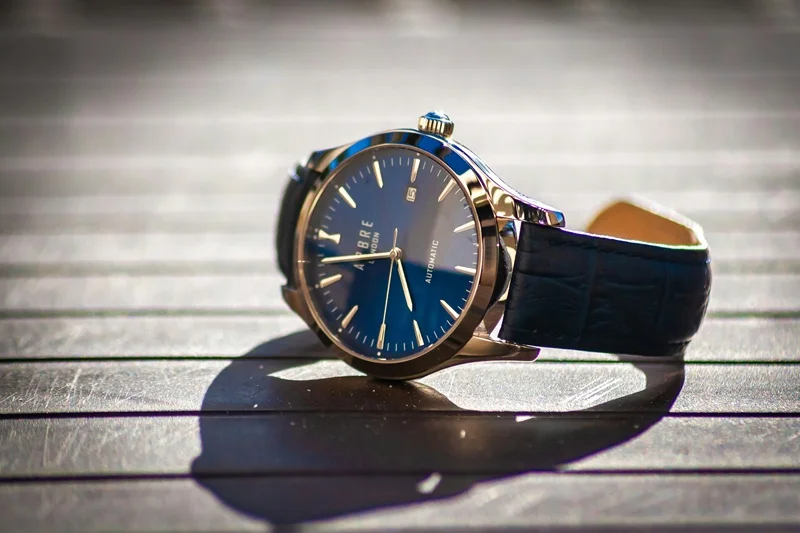
There’s a plethora of wearables for consumers available on the market but what’s the best fit for each person depends on their needs. Smart rings are often a great option for users who care about sleep tracking, recovery monitoring and want something discreet to wear. Meanwhile, smartwatches have a broader set of functions including notifications, fitness apps and on-screen interactions. As competition increases, manufacturers are trying to make it accurate, comfortable and trustworthy. The next iteration of wearables will probably not just be about data collection but also about providing insights that matter in real life. That change is part of a bigger move for the industry. Wearable tech is no longer just an accessory category. It is becoming a more important part of how people keep track of, understand and manage their personal health.
FAQs
What is driving growth in wearable tech in 2026?
Progress in sensor technology, health insights powered by AI and compact designs like smart rings are all helping to make wearable devices more practical and attractive to consumers.
Are smartwatches being replaced by smart rings?
Not exactly. Smart rings are ideal for ongoing, discreet health monitoring, while smartwatches still offer more features and touch capabilities.
What health metrics can today’s wearables track?
Many devices can monitor heart rate, sleep patterns, blood oxygen levels, temperature changes, stress indicators and recovery data.
Why are health sensors becoming more popular?
Health sensors give users continuous wellness insights to help them better understand sleep, stress, activity levels and overall health trends.