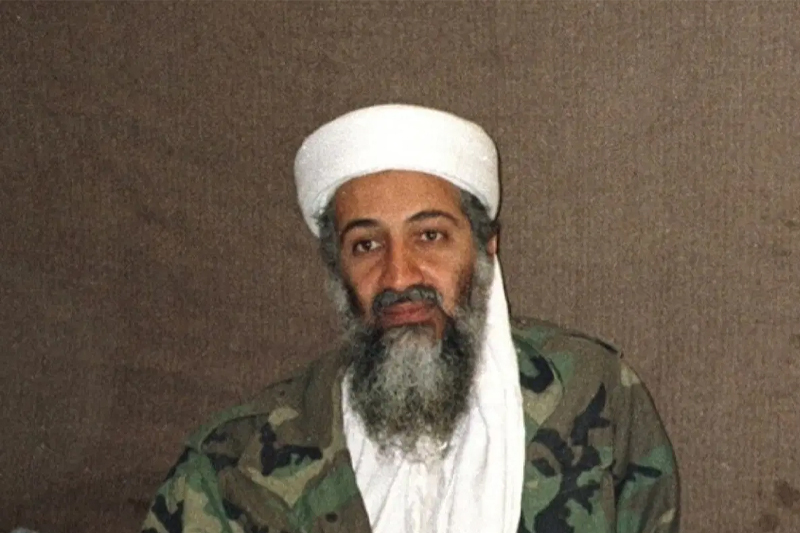
Virality Of Osama bin Laden’s 2002 ‘Letter To America’ Sparks Concern
This week, dozens of young Americans have posted videos on TikTok expressing sympathy with Osama bin Laden for a two-decade-old letter he wrote critiquing the United States, including its government and support of Israel. It was first published in 2002.
On September 11, 2001, 19 men hijacked commercial airliners, intentionally crashed the planes, and killed 2,977 people in New York City, Washington, DC and rural Pennsylvania. The attack was orchestrated by bin Laden, the former leader of the al Qaeda terrorist group.
The letter attempts to justify the targeting and killing of American civilians. It began to recirculate this week on TikTok, with videos on the topic garnering at least 14 million views by Thursday. Many of the videos backed some of the terrorist’s assertions.
Viral Letter Reignites Criticism Of TikTok
TikTok remains hugely popular among young Americans. An initial CNN review found a few dozen videos on the topic openly praising or sympathising with the sentiments expressed in the 2002 letter, which is titled “Letter to America”.
Many of the videos were uploaded with the hashtag #lettertoamerica. On Thursday, the platform noted videos promoting the letter violate its rules against “supporting any form of terrorism”. Now, TikTok has removed the hashtag from its search function.
Since Hamas’ October 7 attack on Israel, critics of TikTok, which is owned by China’s ByteDance, have alleged that it is using its influence to push content that is anti-Israel and contrary to US foreign policy interests. The platform, however, has called the allegations of bias baseless.
An Insult To The Victims Of 9/11 Attacks
A White House spokesperson has described the apparent online trend as an insult to the victims of the 9/11 terror attacks. “There is never a justification for spreading the repugnant, evil and antisemitic lies,” Andrew Bates, Deputy Press Secretary, told CNN.
Imran Ahmed from CCDH, who has been studying the rise of conspiracy theories, explained that TikTok incentivises high engagement at all costs. The platform “is utterly ruthless about whether it uses hate, disinformation or positive content to keep you addicted,” he noted.
On Wednesday, The Guardian, which first published a translated copy of the letter in 2002, took it down after TikTok users linked directly to the document. In a statement, the newspaper said the letter “has been widely shared on social media without the full context.”