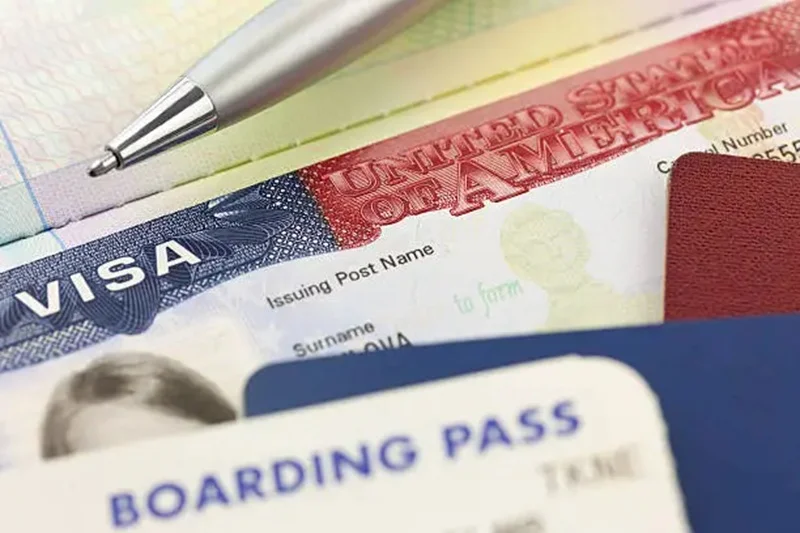
US Tourist Visa Bond Scheme 2026: Check Whether Your Country Faces the $15,000 Cash Bond Rule and How Refunds Work
The US tourist visa bond scheme 2026 has become one of the most talked-about travel policy changes of the year, because it can turn a routine U.S. trip into a costly upfront commitment. For travelers from countries on the list, the bond can go as high as $15,000, and while it is refundable, the cash flow impact is immediate and very real.
What the visa bond scheme means
Under the pilot program, some B-1/B-2 visa applicants may be asked to post a refundable bond of $5,000, $10,000, or $15,000 before a visa is issued. The policy is aimed at countries the U.S. government considers to have higher overstay risk, and it applies only to certain visitor visa cases rather than all U.S. visa categories. In simple terms, this is not a visa fee. It is a security deposit that the government holds until the traveler either complies with the terms of the visit or the visa is denied.
Countries on the list
The current list has expanded several times in 2026, and the most recent update added 12 more countries effective April 2, 2026. Those newly added countries are Cambodia, Ethiopia, Georgia, Grenada, Lesotho, Mauritius, Mongolia, Mozambique, Nicaragua, Papua New Guinea, Seychelles and Tunisia.
Earlier 2026 updates had already brought many other countries into the program, including places such as Bangladesh, Cuba, Nepal, Nigeria, Tanzania, Uganda, Venezuela and more. Because the list has changed multiple times, travelers should verify the latest U.S. State Department notice before making plans.
Why the $15,000 Visa Bond Is Causing Concern Among Travelers
For many families and business travelers, a $15,000 bond is a major barrier, especially in countries where average incomes are much lower than the required deposit. That means some people may delay travel, cancel trips, or face pressure from employers and relatives to arrange the money at short notice. The policy has also sparked criticism because it may hit lower-income countries harder than wealthier ones, even when the purpose of travel is legitimate tourism, family visits, or business meetings. Supporters, however, argue that it gives the government a stronger tool to reduce visa overstays and encourage compliance.
How the refund works
The bond is refundable, but only if the traveler follows the rules. In practical terms, that usually means leaving the U.S. on time and complying with the visa conditions. According to immigration guidance, refund requests are generally handled through the Department of Homeland Security’s Debt Management Center, and the paperwork can include forms such as I-391, I-305 or I-395, and I-352 if available. Since refund steps can vary depending on the case, it is important to keep every receipt and bond document safe from the moment the payment is made.
Trending Stories You Shouldn’t Miss
Explore Oppo Pad 6 Features
Discover how Oppo Pad 6 is bringing flagship power and massive battery life to the premium tablet market.
Check Outlook Lite Shutdown Details
Explore how Microsoft users can save emails and switch apps before Outlook Lite officially shuts down.
Discover 007 First Light Access
Check release timings, pre-load options, and early access details for the much-awaited 007 First Light launch.
Explore Better Sleep Tech Upgrades
Discover simple sleep tech upgrades that can actually improve your rest without relying on smartwatches.
Check UK Heatwave Travel Warnings
Explore how the UK bank holiday heatwave is causing rail delays, road closures, and water safety concerns.
What travelers should do now
First, check whether your country is currently listed under the visa bond program before applying for a B-1/B-2 visa. Second, if the bond applies to you, budget for the possibility of a $5,000, $10,000, or $15,000 deposit in addition to normal visa-related expenses. It is also wise to plan your travel dates carefully, because the bond is tied to compliance with visa terms and not simply to the act of visiting. For business travelers, employers should review trip approvals early so the bond does not disrupt scheduling, booking, or reimbursement planning.
The Bigger Impact on Global Travel
Beyond the money, analysts say the broader significance of the US tourist visa bond scheme 2026 lies in what it shows about American immigration policy. The program shows a more forceful approach to managing short-term travel risk and visa compliance. Meanwhile, frequent changes to the country list have created confusion among applicants, travel agencies, and employers. This confusion may discourage spontaneous tourism, reduce short-term business travel, and add extra pressure on travelers who are already dealing with strict visa procedures. For now, the best way forward is straightforward: check the latest rules before applying and prepare financially for every possible requirement.
FAQs
1) Is the $15,000 bond permanent?
No. It is a refundable security deposit under the visa bond program, not a permanent payment, if the traveler complies with visa rules.
2) Which visa types are affected?
The program applies to B-1 and B-2 visitor visas, which cover business and tourism travel.
3) How do I know if my country is on the list?
Check the latest U.S. State Department country notice, because the list has been updated multiple times in 2026.
4) How do I get the bond back?
Refunds are generally processed through DHS channels, and the required paperwork may include forms such as I-391, I-305 or I-395, and sometimes I-352.
5) What happens if I overstay?
Overstaying or violating visa terms can put the bond at risk and may affect future travel eligibility.