

UAE Strengthens Its Role as a Mediator in the Russia-Ukraine War Through Diplomacy and Humanitarian Efforts
Diplomatic efforts to end the fighting are still facing major roadblocks as the war in Ukraine enters its fifth year. But one country has increasingly become an important platform for dialog between the two sides: the United Arab Emirates (UAE).
The UAE has been playing an increasingly important role in efforts to defuse tensions between the two countries, through its diplomatic relations with Moscow and Kyiv, humanitarian aid and repeated prisoner swap initiatives. Its capital, Abu Dhabi, has also become an important meeting point for international debates on the conflict.
The latest developments in November 2026 have only made this diplomatic position clearer, but a sustainable peace agreement is still far from being finalized.
Abu Dhabi Hosts Another Round of Russia-Ukraine Peace Talks
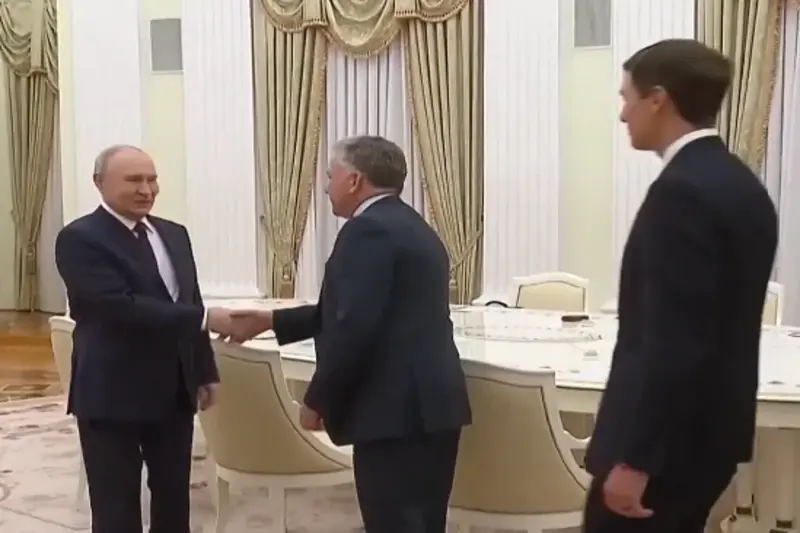
On 10-11 November 2026, Abu Dhabi hosted two days of trilateral consultations of representatives of Russia, Ukraine and the United States. The talks, mediated by Washington, were the first direct negotiations between Russian and Ukrainian delegations in nine months.
One important outcome was agreement in principle on a major prisoner exchange. US envoy Jared Kushner said the discussions had been productive, but delegates from each side said more discussions would be needed. But the talks failed to make a breakthrough on the most difficult issues, especially territorial disputes, post-war security arrangements and the conditions for ending hostilities. The UAE’s role as host is not insignificant. The diplomatic settings provide for the maintenance of open lines of communication between representatives of opposing sides even when political differences remain deep.
UAE’s Balanced Relations With Russia and Ukraine
One of the key drivers of the UAE’s increasing diplomatic weight is its capacity to cultivate ties with countries whose geopolitical interests are very different.
While beefing up its partnership with Ukraine, the UAE has continued to engage with Russia diplomatically and economically. Abu Dhabi has adopted a policy of engagement and dialog, rather than fully siding with one or the other side.
This position is not to be mistaken for complete political neutrality. In March 2022, the UAE voted in favor of a United Nations General Assembly resolution condemning Russia’s invasion. But it has kept diplomatic channels open with Moscow, while supporting Ukraine’s humanitarian needs. The UAE has kept open lines of communication with both governments, creating diplomatic channels that can be used to conduct practical negotiations.
In international diplomacy, access to opposing parties can be particularly valuable when direct communication becomes difficult.
More Than 8,500 Prisoners Released Through UAE Mediation
Perhaps the most evident proof of the UAE’s contribution is its role in prisoner exchanges.
Since the start of the conflict, the country has assisted in arranging the return home of Russian and Ukrainian prisoners of war. These exchanges have yielded concrete humanitarian results even when broader peace talks have been stalled.
On October 23, 2026, the UAE Ministry of Foreign Affairs announced another successful swap of 540 captives, 270 freed by each side.
This latest operation raised the total number of captives exchanged through UAE-mediated efforts to 8,537, marking the 27th mediation effort. These exchanges matter on more than diplomatic counts. For families waiting for news of relatives held captive, every successful agreement is a potential reunion, a relief. The UAE’s continued involvement demonstrates how humanitarian negotiations can create practical areas of cooperation between countries that remain deeply divided.
Humanitarian Assistance Extends Beyond Diplomatic Negotiations
The UAE has also provided a large amount of humanitarian aid to Ukraine.
In October 2022, UAE President Sheik Mohamed bin Zayed Al Nahyan ordered another $100 million in humanitarian aid to civilians in Ukraine affected by the war. The aid was part of wider relief efforts including food deliveries, medical equipment, ambulances and support for Ukrainian refugees in neighboring countries. Previous humanitarian missions have also brought in some 600 tons of vital food supplies, as well as medical aid co-ordinated with international organizations. These initiatives show that the UAE’s involvement is not only limited to talks between government representatives. Humanitarian assistance has continued to be an important element of its engagement with those affected by the conflict.
For Ukraine, where millions of people have experienced displacement and disruption to essential services, international relief partnerships remain particularly important.
Economic Partnerships Strengthen the UAE’s Diplomatic Position
Moreover, economic relations have played a crucial role in establishing the UAE’s international connections. The country actively cooperates with Russia and continues developing its economic ties with Ukraine. As an established international center for commerce, logistics, and finance, the UAE takes advantage of opportunities that arise thanks to its established connections to the markets around the world.
A major step was made on July 1, 2026, when the CEPA (Comprehensive Economic Partnership Agreement) between the UAE and Ukraine was signed.
This trade agreement aims to deepen the trade in goods and services, facilitate access to the market, and stimulate investments both ways. The Ministry of Foreign Trade of the UAE expects the agreement to bring around $369 million to the UAE’s GDP and $874 million to Ukraine’s GDP by the end of 2031.
Why the UAE’s Mediation Role Matters to the World
The conflict between Russia and Ukraine has had repercussions that extend far beyond Eastern Europe. There has been a domino effect on agricultural exports, energy markets, shipping routes and international investments, which have brought about detrimental effects on economies of many other regions.
For the African, Asian and Middle Eastern countries, the developments in the war may have impact on food prices, fuel prices and economic stability. Therefore, diplomatic efforts aimed at easing tensions and facilitating any humanitarian agreements are already of international importance.
The increasing involvement of the UAE shows a broader trend in international diplomacy. Peace talks are no longer only in the hands of Western countries. Countries of the Gulf and other emerging economic centres are increasingly helping with mediating conflicts through their diplomatic networks and international connections.
As a member of BRICS and as a partner of major Western economies, the UAE has the connections which may help it establish relations with different geopolitical organisations.
However, its success will always depend on whether both Russia and Ukraine will trust it as a mediator and whether negotiations produce tangible results.
Can the UAE Help Bring Russia and Ukraine Closer to Peace?
The increasing diplomatic engagement of the UAE shows a trend of greater participation of the non-Western countries in conflict resolution. Through its established connections with various political groupings, economic partnerships and experience in humanitarian mediation, Abu Dhabi is able to unite different conflicting parties.
At the same time, being a host for negotiations does not mean that a country is capable of reaching an agreement of peace. Russia and Ukraine have a number of issues to resolve, including territorial disputes, security arrangements and the future political and military status in the region.
The meetings of November 2026 illustrate the possibilities and limitations of this approach. The prisoners’ exchange between the two sides has been a success from the humanitarian standpoint, while the essential political differences still have not been settled.
In order to maintain credibility and reach any significant outcome, it is necessary for the UAE to keep lines of communication open between the conflicting parties, support humanitarian projects and create conditions favourable for negotiations.
Thus, the growing influence of the UAE is not only about hosting diplomatic discussions. It proves that it is still possible to maintain communication in the context of long-lasting international conflicts.
As the war continues, Abu Dhabi’s ability to maintain diplomatic access to Moscow and Kyiv could make it an increasingly important participant in future efforts to achieve a peaceful settlement.
Explore How the Ukraine War Is Reshaping Global Security, Energy, and Diplomacy
How Is Europe Rethinking Defence in 2026?
Could Ukraine Peace Talks Change US Fuel Prices?
Why Should Americans Watch Europe’s Security Changes?
How Close Did Russian Drones Get?
How Is the UAE Advancing Humanitarian Diplomacy?

