Trump’s Proposed 4-Year F-1 Visa Cap Is Creating Anxiety for International Students Across the World
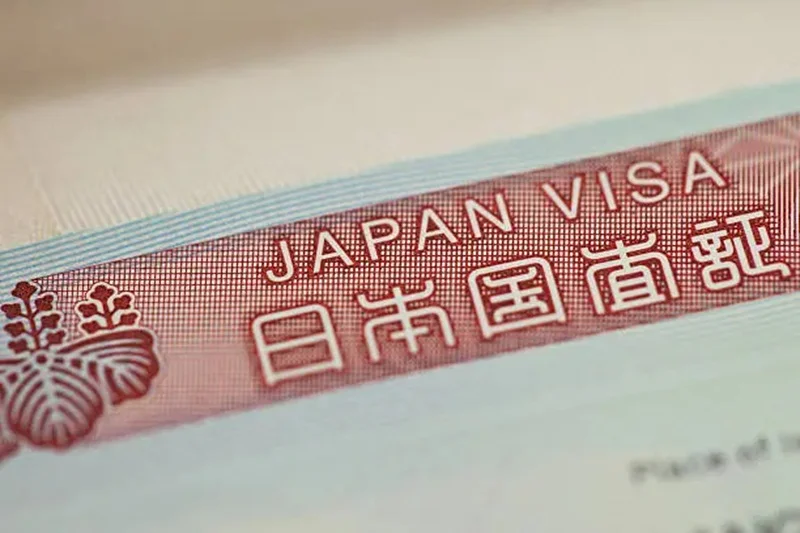
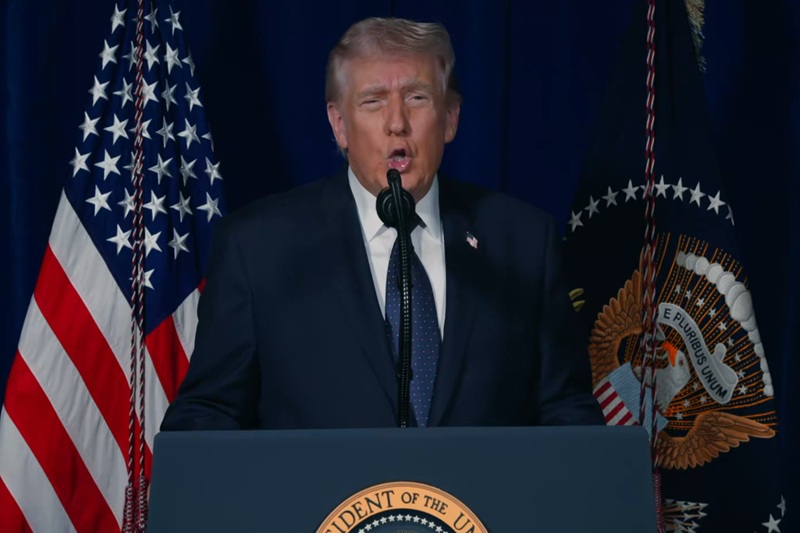
For years, international students in the United States built their academic plans around one key assumption: as long as they stayed enrolled and followed the rules, they could remain in the country until their studies were complete. That certainty may soon disappear. A proposed rule from the U.S. Department of Homeland Security under President Donald Trump is reigniting fears across global student communities after officials suggested placing a strict four-year limit on most F-1 student visas. The move would effectively end the long-standing “duration of status” system that has allowed students to stay in the country throughout their academic programs without a fixed end date. For many students , especially those from India , the proposal feels less like a technical immigration update and more like a direct threat to carefully planned futures.
What Exactly Is Changing?
Under the current system, most F-1 visa holders are admitted under what is known as “duration of status,” often abbreviated as D/S. That means students can legally remain in the U.S. as long as they continue full-time studies and maintain visa conditions. The proposed DHS rule changes that framework entirely. Instead of open-ended academic status, students would receive a fixed stay period of four years. Once that period expires, they would need to apply for an extension or leave the country. In some cases, students from countries flagged by U.S. authorities for security or visa overstay concerns could reportedly receive only two-year admission periods instead of four.
The proposal would also tighten oversight through stricter SEVIS monitoring and more direct approval requirements from immigration authorities. For students pursuing lengthy academic programs , including doctoral research, medical programs, or combined degrees, the uncertainty is already causing concern.
Who Could Be Forced to Reapply?
The proposed rule would mostly affect future students entering the United States after implementation. Some students already studying under the current D/S system could potentially remain under existing rules, although that still depends on how any final policy is written.
Students whose programs extend beyond the visa limit would likely need to file formal extension requests with U.S. Citizenship and Immigration Services. This process might entail:
New Form I-20s, Proof of finances, Academic records, Reasons why extra time is needed for study, Security screening. Students who travel abroad while studying could undergo new visa interviews and be delayed when entering the United States consulates abroad before returning to campus. For many families investing enormous sums into overseas education, the possibility of interruptions midway through a degree program is becoming a serious source of stress.
Why the Trump Administration Supports the Proposal
The Trump administration has framed the proposal as a national security and immigration enforcement measure. DHS officials argue the current duration-of-status system makes it harder to track visa overstays, fraudulent enrollments, and individuals who remain in the country after abandoning academic programs. According to supporters of the policy, the imposition of visa validity periods will help promote accountability and better supervision of foreign students.
The policy is also in line with immigration policies that have come up several times in the previous presidency of Trump, including stricter controls on student visas, work permits, and employment-based immigration. Opponents of the proposed policy are worried about punishing genuine students, thus hurting the reputation of the U.S. as the premier center of learning in the world.
Indian Students Would Bear the Heaviest Brunt
Indian students have traditionally comprised a significant proportion of foreign students in the United States. It is a dream of many Indians to study in American institutions of higher learning because it entails years of financial sacrifices and preparations. A stricter visa system introduces another layer of unpredictability at a time when global education costs are already climbing sharply. Education consultants say students pursuing long-duration STEM and research programs may face the greatest difficulties if repeated extensions become necessary.
There are also fears that stricter rules could push students toward alternative destinations like Canada, the United Kingdom, or Australia, countries increasingly competing for global talent.
Universities Are Worried Too
American universities are not hiding their concerns. International students inject billions of dollars each year through tuition fees, accommodation, research, and local expenditure. International students play an important role for many universities, especially research universities. Administrators fear the proposed rule could discourage applicants from choosing U.S. institutions altogether. Beyond the financial impact, universities worry about the administrative burden of tracking repeated visa renewals, extension requests, and compliance checks for thousands of students. Several higher education advocacy groups have already warned that the proposal could create “enrollment cliffs” and weaken America’s global academic influence.
Rising Fears While Students Await a Final Verdict
As of May 2026, the regulation remains unfinished. Previously, the proposal was put out for public review, and it is expected that there will be considerable opposition to the proposal’s enactment, leading to a lawsuit from universities, education organizations, and immigration activists. For now, students remain stuck in uncertainty. Many are reconsidering long-term study plans, while others are accelerating applications or exploring backup options outside the United States altogether. The broader debate goes far beyond visas. At its core is a larger question about America’s identity: whether the country still wants to position itself as the world’s top destination for international talent or whether tighter immigration control is becoming a higher priority.
FAQs
1. Does the 4-year F-1 cap apply to current students?
Probably not if you’re grandfathered under old D/S rules, but anyone exceeding 4 years post-rule must seek extensions.
2. Which countries face a 2-year limit?
High-overstay or security-risk nations like Iran, Syria, and North Korea are checked against DHS lists.
3. How do I extend beyond 4 years?
Submit evidence to USCIS demonstrating academic necessity, medical necessity, or emergencies; anticipate SEVIS scrutiny.
4. Will it impact OPT or STEM?
Possible to obtain, but with stringent screening processes without the D/S grace period.
5. What is the situation in May 2026?
Proposed regulation seeking feedback; no definitive policy in place. Stay informed from the Federal Register.