

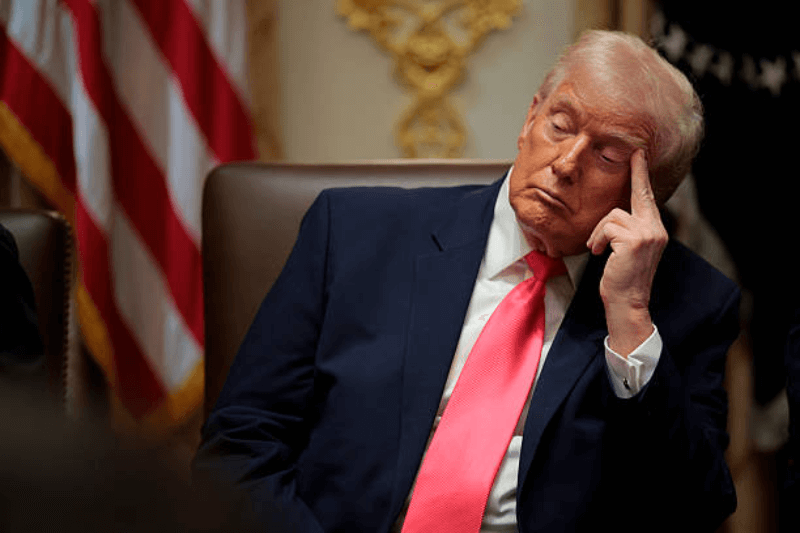
Donald J. Trump’s 2025 National Security Strategy: Reviving the Monroe Doctrine and Its Implications for Latin America
The 2025 National Security Strategy by Donald J. Trump indicates a rediscovery of a defensive-aggressive interest in the Western Hemisphere that resonates with the 19th-century warning of the Monroe Doctrine of external powers not becoming involved in the Americas. The new conceptualisation focuses on Latin America as a strategic battlefront, primarily with China and, to a smaller degree, Russia, stressing security, migration control and energy, as opposed to the old developmental discourse. This renaissance is not a carbonated version of the original, but it adopts its spirit: the reaffirmation of US primacy, the threat to external interests, the bonding of regional policy to domestic political interests.
What the 2025 Strategy Says About the Hemisphere
According to the 2025 strategy, the Western Hemisphere is the first choice in its regional priorities since instability in Latin America has a direct impact on the US borders, supply chains and internal security. It raises issues about Chinese investment in ports, telecommunications and critical minerals, and describes them as a threat to sovereignty and democratic institutions. Simultaneously, it also conditions cooperation with Latin American governments on their stance in migration enforcement, security cooperation, and complacency with the US standpoints in international forums.
Reviving the Logic of the Monroe Doctrine
Originally proclaimed in 1823, the Monroe Doctrine resisted the new colonial activity of Europe in the Americas and claimed US exceptionalism in the area. Rhetoric in 2025 comes to be less concerned with Europe and more about extra-regional actors (who are authoritarian) and tried to gain influence in the form of loans, infrastructural development, and sales of arms. By assembling that this presence is not acceptable or destabilizing, the strategy resurfaces some hierarchical logic whereby Washington has the authority to make judgment and to take action on foreign encroachment in Latin America. The critics base their argument on the fact that it runs the danger of creating a history of paternalism and interventionism albeit in a new strategic brand.
What It Means for Latin American Governments
In case of Latin American states, a rejuvenated Monroe-style posture will have pressure and leverage. Governments that have a heavy involvement in China in terms of infrastructure or commodity export might be required to restrict some of the transactions, particularly in infrastructure that is considered strategic including 5G networks, rare minerals, or important ports. The ones that collaborate with close proximity on the issue of migrating, security and sanctions can enjoy preferred treatment in terms of investment, commerce or security aid by the US. Nonetheless, making conditionality stricter in terms of alignment would put a strain on relations with states that want to have a more independent foreign policy of multi-alignment.
Risks and Opportunities for the Region’s Future
A more doctrinaire US strategy can enhance the geopolitical rivalry in the area rather than addressing structural issues such as inequality, climate vulnerability, or institutional inadequacy. Nations may be forced to take sides and may complicate partnerships and funding diversification. Conversely, Latin American leaders have an opportunity to secure improved trade, climate finance, and development agreements because of the renewed US focus, but they need to be regional and demand respect to sovereignty. Finally, the implementation of the 2025 strategy by either partnering or pressuring will mean that the revival of the Monroe Doctrine will either be a thriving strategy to the long-term interests of Latin America or a strategy that will be disastrous to Latin American interests.


