Militarized Narratives, Civilian Losses: Why Sudan Needs Politics, Not War
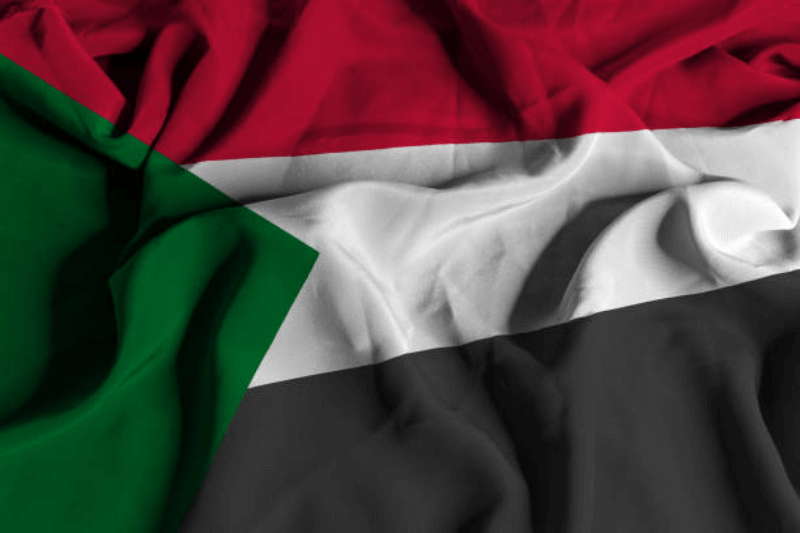
The war in Sudan is still taking a huge toll on civilians, and the latest reports by military officials have caused a stir among global actors and humanitarian organizations once again. Comments that make the crisis an event that can be addressed by military victory are prone to making the continued violence a normalised phenomenon and push civilian protection to the background. Based on statements made by the Sudanese Army chief Gen. Abdel Fattah al-Burhan, and, in the case of statements made by the US Deputy Spokesperson Tommy Pigott, this analysis highlights one of the core realities: the war in Sudan is not just a battlefield but a political crisis, which has affected humanity significantly. The repeated failures in ceasefire, civilian casualties, and claims of gross offenses all indicate to the same conclusion, that an expansion of the war only exacerbates the plight of civilians, and that an inclusive political process is the only sustainable path ahead.
Militarised Rhetoric Keeps Civilians at Risk
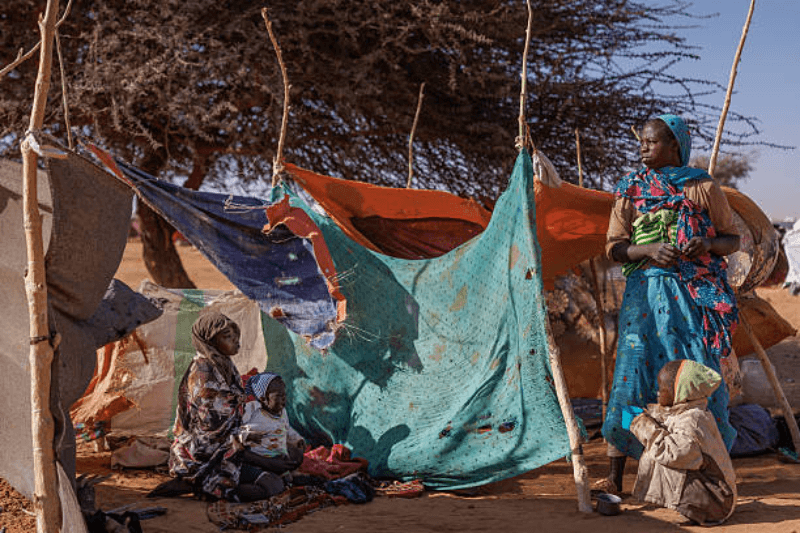
The language that encourages a military response is not only a warning, but also a making of the world. Such rhetoric exposes civilians to dangerous conditions on a regular basis, as it encourages further fighting, and it has diminished the motivation to engage in real de-escalation. The military intensification has persisted despite the frequent proclamation of ceasefires, and scuffles have erupted in the overcrowded regions. Civilians are left to be in between front lines, vulnerable to airstrikes, shelling, and city fighting. When diplomacy seems to justify or sanction open-ended war, it undermines international attempts to address safety to civilians and access to humanitarianism.
Ceasefires Without Safety: A Pattern of Violations
Pronounced ceasefires in Sudan have been reiterated to fail in becoming a real safeguard of civilians. Rather, numerous periods of truce have been accompanied by ongoing-or further-escalating violations. There have been documented acts of shelling and aerial attacks in instances against the time fighting was supposed to stop as reported by international organisations and media. People have still been displaced, and the civilian losses have been piling up, undermining the faith in the military-driven promises. The fact that these violations have no accountability has further created doubts on accountability which strengthens the fear that ceasefires are not being made in good faith but are being used as a tactical measure towards peace.
Civilian Harm and Allegations of Prohibited Weapons
The military operations have affected civilian neighbourhoods the most and this has caused serious humanitarian issues. There have been massive destruction of houses and other infrastructures and massive civilian casualties as reported by international observers and media. Worse still, the use of prohibited weapons such as chemical agents has been reported which once proven would amount to major contravents of international law. It is not necessary to escalate such allegations, but to investigate them and examine them independently. Any methodology that marginalises the safety of civilians or ignores such issues will result in more damage and a humanitarian disaster that the entire Sudan will face.
Sudan’s Crisis Is Political, Not Military
History has provided a vivid lesson that the stories of military victory were over and over again not able to bring permanent stability to Sudan. The causes of the existing crisis can be traced back to the exclusion of the political sphere, disputed power, and unhandled matters of governance, rather than the balance of force. Sustainability of peace is based on an inclusive, civilian-controlled, political process that focuses on humanitarian access, accountability and regional diplomacy. The international partners have always affirmed that the conflict in Sudan does not have a military solution. Using the principle in its application is to consistently deny rhetoric that promotes escalation and instead to uphold negotiations that place the voice and needs of civilians at the centre of consideration.