

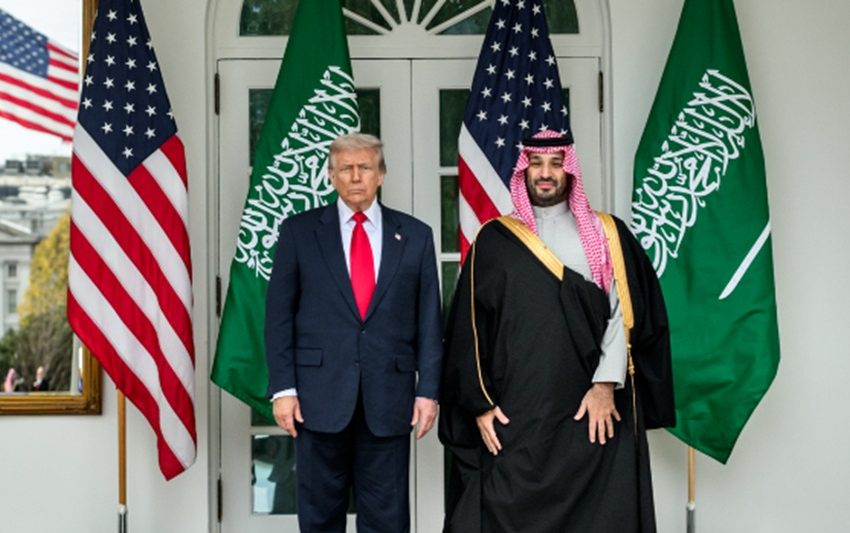
How the Saudi-US Nuclear Deal Could Reshape Security and Spark a Regional Arms Race
The proposed Saudi-US nuclear deal has quickly become one of the most closely watched geopolitical developments in the Middle East. While supporters argue it could strengthen regional stability and diversify Saudi Arabia’s energy sector, critics warn that it may encourage neighboring countries to pursue similar nuclear capabilities, increasing the risk of a regional arms race. As negotiations continue, the agreement is raising difficult questions about security, diplomacy, and the future balance of power in one of the world’s most volatile regions.
What Is the Saudi-US Nuclear Deal?
Under the proposed Saudi-US nuclear deal, Riyadh would be allowed to develop a civilian nuclear power programme with US help. The project is designed to reduce dependence on oil, generate clean electricity and support its Vision 2030 economic diversification plan, the kingdom says. But one issue has attracted much international attention: Saudi Arabia wants the right to enrich uranium at home. This process of uranium enrichment can be used to power nuclear power plants. The same technology can potentially be adapted to produce material for nuclear weapons if safeguards are violated. In the past, the United States has attached stringent non-proliferation conditions to its nuclear cooperation agreements. Finding that balance has been said to be at the heart of discussions among negotiators on Saudi Arabia’s energy ambitions and international security concerns.
Why Are Experts Concerned?
Security analysts say the deal could have implications well beyond Saudi Arabia. Middle Eastern countries keep an eye on each other’s military and technological developments. If Saudi gets the most advanced nuclear infrastructure, other regional rivals might also seek similar deals. Iran already has an advanced nuclear program that has been the subject of years of international talks. But countries like the UAE, Egypt and Turkey could pursue their nuclear ambitions too if they see a shift in the regional balance. Many experts worry this competitive environment could lead to a “nuclear domino effect,” where the advancement of one country causes others to speed up their own programs.
A New Middle East Security Landscape
Supporters say the deal could in fact create more stability. A stronger strategic partnership between Washington and Riyadh could boost US influence in the Gulf while providing Saudi Arabia with advanced safety standards, regulatory oversight and peaceful nuclear technology. Saudi officials say their program is only for civilian purposes, such as producing electricity and future hydrogen production. Sceptics, though, say trust in the region remains fragile. Any perception that civilian technology could eventually be employed to support military capabilities might escalate tensions among neighboring states.
Economic Benefits vs. Security Risks
From an economic perspective, nuclear energy has a number of advantages for Saudi Arabia. The development of nuclear power has the potential to lead to more oil for export, less domestic fuel consumption, more high-skill jobs, and more international investment in advanced technologies. Meanwhile, if fears of nuclear proliferation continue to rise, governments will likely have to increase spending on defense, intelligence and regional deterrence. Heightened geopolitical tensions could also impact global energy markets, potentially influencing oil prices and investor confidence across the Middle East.
Stay Ahead with Today’s Biggest Global Stories
Can Gaza Peace Finally Last?
Explore how Hamas accepted a ceasefire roadmap featuring complete disarmament and what it means for the region.
Who Made Algeria’s Political History?
Discover how Khalida Boufedeche became Algeria’s first woman parliamentary speaker and why it matters.
Why Are Copper Prices Dropping?
Check what caused copper prices to fall before the Fed’s rate decision and how global supply influenced markets.
How Is Europe Supporting Ukraine?
Explore how the European Commission’s €3.47 billion package will strengthen Ukraine’s defence capabilities.
What Did Zendaya Reveal Recently?
Discover what Zendaya shared about working with Tom Holland and their friendship on the Spider-Man set.
Why the World Is Watching
The Saudi-US nuclear deal is not a bilateral agreement, it’s a global one. Any future Saudi nuclear facilities would likely be monitored by the International Atomic Energy Agency (IAEA). International observers say strong inspections, transparency and legally binding safeguards will be needed to keep confidence in the program. Meanwhile, policymakers in Washington continue to debate whether security guarantees and tough oversight can prevent future proliferation, while preserving strategic ties with Saudi Arabia.
FAQs
1. Saudi-US nuclear deal: What is it?
The proposed deal would have the US support Saudi Arabia’s civilian nuclear power programme in return for talks on safeguards to prevent nuclear weapons development.
2. What’s the controversy around the deal?
Critics worry that the ability to enrich uranium could eventually be used to build nuclear weapons or encourage other Middle Eastern countries to develop similar capabilities.
3. Will the deal spark an arms race in the region?
Security experts have long warned of the risk of nuclear proliferation in the Middle East, where Israel is the only country to have developed nuclear weapons.
4. What is the role of the IAEA?
The International Atomic Energy Agency monitors civilian nuclear programs to make sure that nuclear materials are used only for peaceful purposes.

