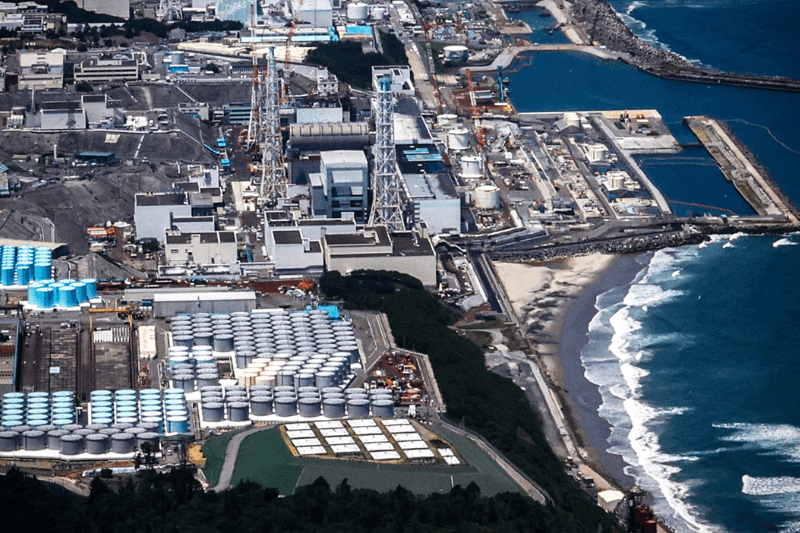
Russia Considering Banning Japanese Seafood Imports Over Fukushima Water Release
After China, it appears Russia could become the next country to ban aquatic imports from Japan over the release of treated radioactive water from the Fukushima nuclear power plant.
Russia is considering joining China in banning Japanese seafood imports and is seeking discussions with Japan over the matter, a Russian regulator said on Tuesday.
Japan started releasing the water into the Pacific Ocean last month, drawing strong criticism from Beijing. The International Atomic Energy Agency greenlighted the plan in July.
Tokyo says the wastewater is safe after being treated to remove most radioactive elements except tritium. It is then diluted to internationally accepted levels before being released.
Japan Asks Russia To Act Based On Scientific Evidence
On Tuesday, Rosselkhoznadzor said it had discussed Japanese food exports with its Chinese counterparts. “The final decision will be made after negotiations with the Japanese side.”
The Russian food safety watchdog said it had sent a letter to Japan on the need to hold discussions and requesting data on Japan’s radiological testing of exported fish products.
Japan will closely and thoroughly inspect Tuesday’s announcement by Russia, the top Japanese government spokesperson Hirokazu Matsuno said on Wednesday.
Russia was a member of the IAEA’s Fukushima expert team, which greenlighted the release plan. “We strongly ask Russia to act based on scientific evidence,” Matsuno added.
Keep Reading
Russia Seeking To Increase Its Marine Products Market Share
On Monday, in its latest report on water testing, Japan’s Ministry of Environment said analysis results of seawater showed the tritium concentrations would have no adverse impact.
Russia has also detected no irregularities in samples used for tests in Russian regions that are relatively close to where the treated water was released.
Last year, Russia exported 2.3 million metric tonnes of marine products, with China, Japan and South Korea counted among the biggest importers, according to the country’s fisheries agency.
With China among its biggest importers, Russia is seeking to increase its market share. So far this year, it has imported 118 tonnes of Japanese seafood, the regulator said.