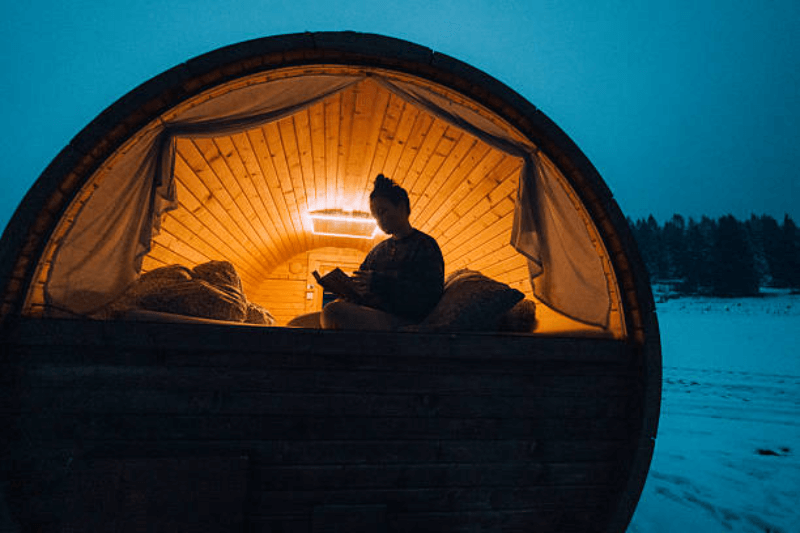
Rise of Digital Detox Cabins Across Europe: Why Screen-Free Retreats Are Becoming a Travel Trend
Due to the rise in the tech-driven nature of Europe, there is an increasing number of individuals yearning to get off screens and get closer to nature. That’s why Digital Detox Cabins—off-grid, nature-surrounded tiny stays—are gaining rapid popularity as wellness tourism soars. These no-frills retreats offer the respite of endless notifications, computer fatigue, and city hustle, giving the traveller restful venues to replenish their minds. From Scandinavian forests to the mountains of Spain, the number of remote retreats booked through the internet has been growing at an impressive rate, with no Wi-Fi access. Customers are favoring sereneness over scrolling, starry skies over streaming, and being mindful over constant digital interaction.
Top 5 Reasons Digital Detox Cabins Are Rising Across Europe
Breaking Tech Burnout & Overload
As the amount of time we spend on screen has never been higher than during the last year because of remote working and social media, some of us are mentally exhausted. Digital Detox Cabins help visitors temporarily disconnect from devices and recover from “digital burnout.” The concept: As the screens are turned off, the senses are turned on.
Nature-based Wellness Tourism is taking off
The tourists are opting more frequently to visit places that enhance their health. Surrounded by forests, lakes, or mountains, Digital Detox Cabins encourage grounding, slow living, and activities like hiking, bird-watching, and meditation. This is a nature-first approach, which reduces stress and enhances emotional well-being.
Minimalism Living is a Trendy Style of Life
In Europe, it is the trend to be simple. Many of the cabins are environmentally friendly and are built using eco-friendly materials and only with the essentials: cozy beds, hot firewood, and stunning views. This trend positions Digital Detox Cabins as ideal for those wanting to detach from consumerism and practice mindful living.
The travelers are more attracted to Special Accommodation.
People no longer want to stay in generic hotel rooms; they want something to encounter and to recall (when they are successfully connected to the internet again!). From treehouses in Sweden to cliff-side lodges in Portugal, Digital Detox Cabins offer exclusivity and adventure, expanding beyond traditional tourism.
Cities Have Too Many People – Isolation Is a Luxury
Quiet has become a luxury, especially in urban congestion and noise pollution. These remote cabins are also such that they can offer privacy, a breath of fresh air, and a break from city life, giving the guests a chance to revive their minds before going back to their hectic lives.
Where This Trend Is Headed
The rising demand suggests that Digital Detox Cabins are not a passing fad but a permanent addition to Europe’s travel landscape. Governments and eco-tourism operators are collaborating in developing more distant retreats to enhance the local economies, as well as enhance sustainable traveling. Unplugged getaways will also define how people vacation in the future as more of them seek meaning and balance in the trips.