

Record Low: Is This Worst Year for Uganda’s Grasshoppers?
Where Have All the Grasshoppers Gone?
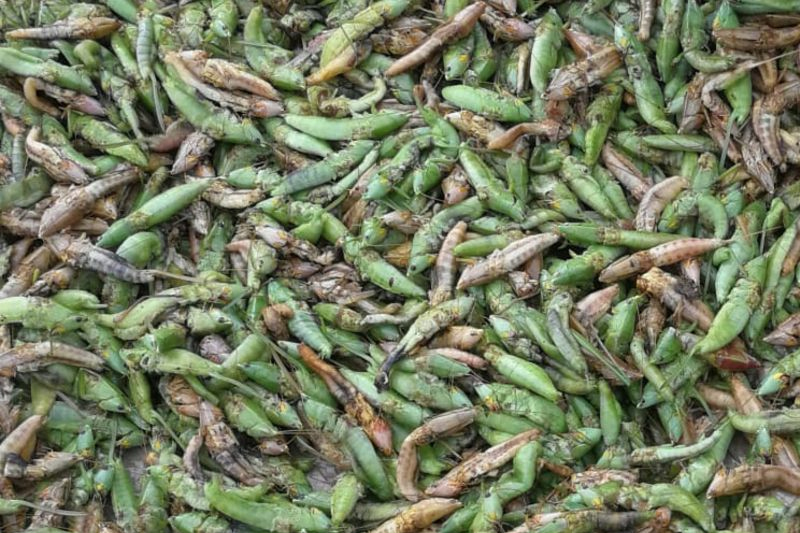
In the heart of Uganda, a once-thriving tradition faces an uncertain future. The rhythmic hum of corrugated steel sheets, the anticipation under fluorescent lights, and the skilled efforts of trappers like Karim Damba in Masaka’s industrial zone have been an integral part of the region’s culture. However, the landscape is changing, and with it, the fate of Uganda’s cherished grasshoppers, locally known as serene.
Understand The Changing Dynamics of Grasshopper Trapping
Traditionally, the months between October and December mark the arrival of grasshoppers, a protein-rich delicacy that graces Ugandan dinner tables. Professional trappers set up their traps, excited children try their hand at catching the bugs, and the market usually buzzes with activity. However, this year has been different, casting a shadow over a practice deeply embedded in the nation’s culinary and cultural fabric.
A Disconcerting Trend: Climate Change and Deforestation
November, aptly termed “musenene,” usually witnesses swarms of grasshoppers almost every day, especially in central Uganda, their primary breeding ground. But this year, the insects made a brief appearance for just seven days, raising concerns that reach the highest levels of the country, even drawing attention from President Yoweri Museveni.
The decline in grasshopper populations is not a sudden occurrence but a consequence of years of environmental degradation. Deforestation, loss of grasslands, and destruction of swamps, where these insects feed and breed, have taken a toll on their habitats. Uganda, having lost almost a third of its forests in the last three decades, faces the consequences, and this year stands as a testament to the severity of the issue.
Keep Reading
Record Low: The Worst Year for Grasshoppers
For grasshopper trappers like Karim Damba, this year has been particularly challenging. His nightly efforts, usually rewarded with sacks filled with the nutritious insects, have seen a drastic decline. On a good day during musenene, he could fill up to 80 sacks, each fetching a decent price in the market. However, this year, he has struggled to fill even half a sack, prompting concerns about returns on investment.
The Economic Strain on Trappers
Quraish Katongole, head of the Old Masaka Basenene Association representing grasshopper trappers, voices the collective worry that the insects might disappear entirely. The economic strain on trappers is evident, with expenses for lighting, traps, and land rental adding up. The environmental changes, exacerbated by deforestation, have not only impacted the grasshoppers but also pushed trappers into debt.
Expert Perspectives: The Looming Extinction
Dr. Giregon Olupot, an academic and agricultural scientist at Makerere University, warns of the potential extinction of grasshoppers. The changing environment, rendered hostile for these insects, raises concerns not only about their survival but also about the repercussions on communities relying on them as a primary source of protein. The looming extinction of grasshoppers could spell doom for those who lack access to alternative protein sources.
Impact on Grasshopper Traders and Markets
At Katwe market in Kampala, grasshopper traders anxiously await deliveries that have dwindled this year. The shortage has driven up prices, affecting both traders and consumers. The economic ripple effect extends to casual laborers who depend on cleaning and preparing the insects for market. With fewer grasshoppers, their livelihoods are at stake, further underscoring the severity of the crisis.
Searching for Solutions
Efforts to combat the decline in grasshopper populations require a multifaceted approach. Addressing deforestation, habitat loss, and climate change are imperative to create a sustainable environment for these insects to thrive. Community awareness and involvement in conservation initiatives are crucial components of any solution aimed at preserving Uganda’s unique culinary tradition.
Conclusion: Preserving a Culinary Tradition
The dwindling grasshopper populations in Uganda are not merely an ecological concern but a threat to the rich cultural and culinary tapestry of the nation. As the nation grapples with the environmental challenges contributing to this crisis, urgent and concerted efforts are needed to preserve the delicate balance between tradition and ecological sustainability.


