

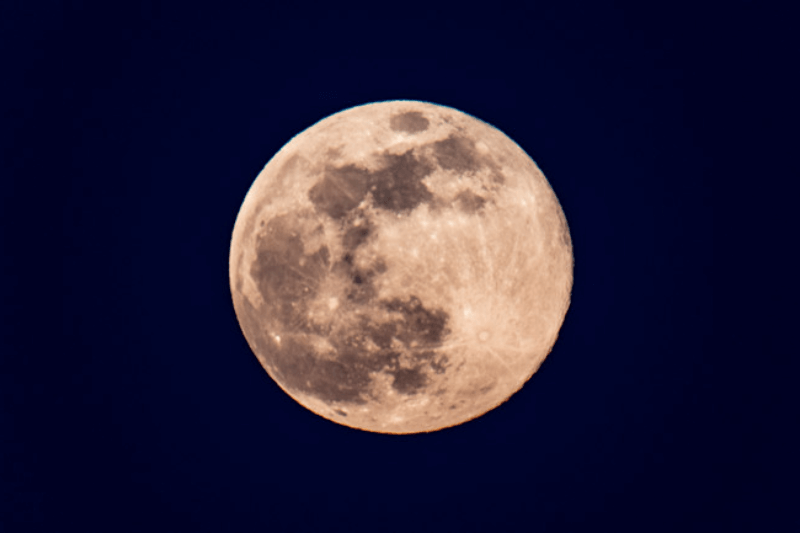
Rare Micromoon Phenomenon to Illuminate Weekend Skies
The next full moon will be smaller and less bright because it travels at its greatest distance from Earth during its orbit. When Earth’s moon reaches its farthest position, it causes a small yet interesting difference in appearance compared to the spotlighted supermoon.
To describe this difference accurately astrophysicist Alain Brizard of Saint Michael’s College in Vermont uses these words. People who watch lunar cycles every day will recognize this phase because its smaller size differs from normal moon appearances.
During a micromoon phase, the full moon appears smallest because it lines up with apogee as it orbits Earth in its farthest position from our planet. Our eye is tricked by the positioning makes the moon appear both 14% narrower and 30% fainter during this phase.
For optimal viewing:
- Find an area with minimal light pollution
- Ensure you have an unobstructed view of the eastern horizon
- No special equipment is necessary, though binoculars or a telescope can enhance the experience


