

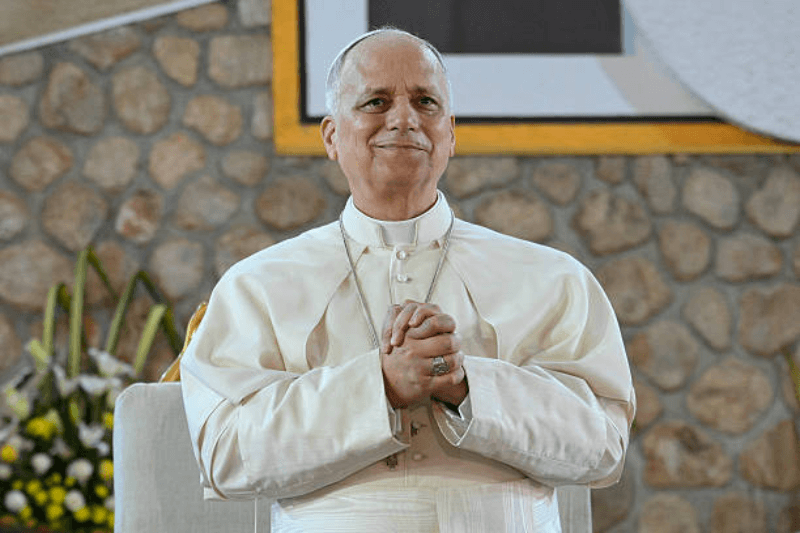
Pope Leo XIV Warns of “Technological Tyranny” in Modern Warfare, Targets AI Use in Middle East Conflicts
On a quiet April morning in Vatican City, a strong and direct message came from the world’s most influential religious platform. Pope Leo XIV issued a stark warning about what he calls “technological tyranny.” This phrase is quickly gaining global attention as debates over AI in warfare grow. Speaking during a peace briefing on April 17, 2026, the Pope did not soften his tone. He described modern warfare technologies, especially AI-powered weapons and drones, as tools that could remove the last traces of human conscience from conflict.
A Sharp Critique of Modern War
“Technological tyranny,” he said, reflects a dangerous shift. Warfare now happens at a distance. Decisions about taking lives are increasingly made through algorithms and screens instead of by humans. In a striking statement, he urged that aircraft should “draw paths of peace in the sky, not sow destruction.” It was a poetic remark, but the underlying message was clear. The Pope called ongoing conflicts “a shame for the human family,” echoing earlier warnings from Pope Francis. He has often reminded the world that “war is always a defeat.” This time, however, the focus was sharper and more urgent.
Why the Middle East Is Central to His Warning
The Pope’s remarks focused on the Middle East, where modern warfare technologies are used extensively. From drone strikes to AI-assisted targeting systems, the region has become a testing ground for what many experts view as the future of conflict.
In places like Gaza and Yemen, remote-controlled and automated systems have changed how wars are conducted. Military operators can now act from thousands of miles away, often with little direct exposure to the consequences on the ground. That distance, the Pope suggested, contributes to the problem.
When war starts to feel like a simulation something carried out through screens and commands it risks dulling moral responsibility. The concern is not just about destruction; it’s also about detachment.
A Consistent Message on AI and Ethics
Pope Leo XIV has previously warned against the negative consequences of technological advancement. For example, he had cautioned in his 2025 World Peace Day message that utilizing artificial intelligence in military systems would be a “destructive betrayal” to humanity’s values. Earlier this year, in March 2026, he further denounced seeing technological advancement in warfare as “progress” because such advances actually take away from us as human beings. The Pontiff connected these two issues with those present wars and global tension to prompt his recent remarks concerning these two impacts of technological advancement, as well as how they have both become evident to mankind over time.
Public Reaction: Divided but Intense
The Pope’s Statement was met with a swift and extensive reaction – social media was buzzing with the phrase “technological tyranny” being used all over the world, and it’s not uncommon to see it trending globally within hours of the announcement being made.
Many peace activists and ethicists see the Pope’s Intervention as a right moral voice that is needed in such a rapidly changing world. Many political leaders, however, disagree. They argue that being technologically superior is necessary for an increasingly unstable global environment.
This division illustrates a deeper underlying tension in today’s world between the need for security and ethical considerations in a world where machines are playing more and more of a role in making decisions regarding war.
Why This Moment Matters
Beyond politics and policy, the Pope’s message addresses something more essential: the nature of responsibility in modern conflict. If machines can choose targets, assess threats, and even carry out attacks, where does accountability belong? Is it with the programmer, the commander, or the system itself? These questions are no longer just theoretical. By calling the issue “Pope Leo XIV technological tyranny,” the Vatican aims to change the focus from capability to consequence. The worry is not just about what technology can do but also about what it is doing to our sense of humanity.
A Call That May Echo Beyond the Vatican
Whether world leaders respond to this warning is uncertain. However, the timing is important. As conflicts grow and technology develops, the ethical questions are becoming harder to ignore. The Pope’s message probably won’t stop wars or slow down innovation. Instead, it creates a pause. It prompts us to consider if progress without limits is really progress at all. In a world increasingly influenced by algorithms, that question may be more urgent than ever.
FAQs
1. What is Pope Leo XIV’s definition of ‘technological tyranny’?
It is his name for the AI, drones and autonomous weapons that make modern war less human, especially in the Middle East. These technologies turn wars into remote-control nightmares.
2. When was it said by Pope Leo XIV?
This morning, April 17, 2026, at a Vatican peace briefing that focused on global hotspots.
3. Has the Pope ever condemned technology in warfare?
Yes. “destructive spiral” of AI, he warned in his 2025 World Peace Day message. He also commented on airstrikes in March 2026.
4. What has been the world’s reaction?
Trump complains, but social media is buzzing with support. Europe is seeing pro-peace rallies and calls for the banning of AI weapons are increasing.
5. Why the focus on the Middle East?
Drones and air strikes are still being used heavily in the wars there and doing huge damage to civilians. “It’s a disgrace to humanity,” says Leo.


