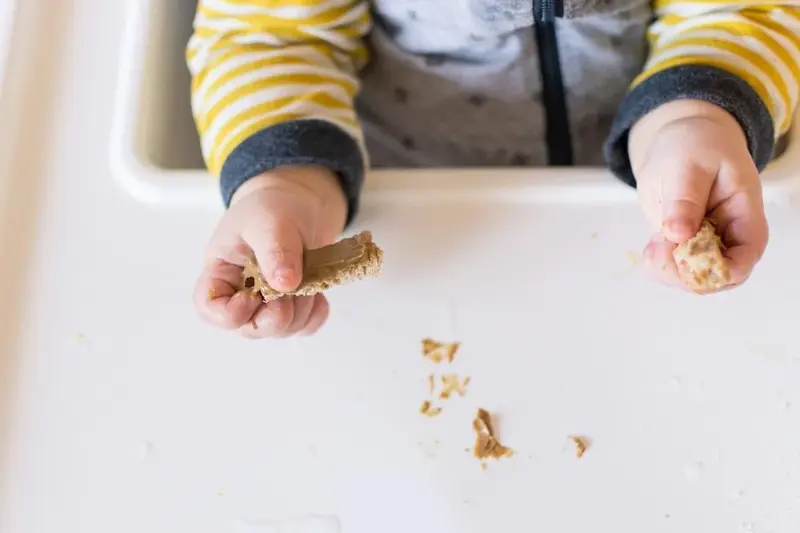
Peanut Allergy in Babies: Why a New 2026 Study Questions Some Childhood Allergy Diagnoses
Imagine feeding your five-month-old a little peanut butter and watching hives spread across his face. You’d panic, and you’d probably never try it again. That’s what happened to one Australian family, and a new study suggests their story is more common than anyone expected.
What the Study Found
Researchers assessed 1,275 infants under 18 months, and 778 of them took an oral food challenge to confirm a suspected peanut allergy. In that test, doctors feed a baby peanut while watching closely. About 35% of those babies had no reaction, so their allergy label could be removed. The results appeared in The Journal of Allergy and Clinical Immunology: In Practice.
How Doctors Usually Diagnose It
The usual route is a reaction history plus a skin or blood test. It sounds airtight, but the researchers concluded that history and allergy testing alone weren’t accurate enough in many cases.
The data came from ADAPT, a national program launched in 2024 to test peanut oral immunotherapy. Lead clinician Dr. Tim Brettig said the number of babies who tolerated peanuts was much higher than the team expected. Nobody is sure why some babies who first showed sensitivity later stopped reacting.
One Baby, One Big Relief
Arthur Cameron broke out in hives after his first taste of peanut butter, and tests suggested a high risk of reacting. At age one, he ate peanuts in a follow-up challenge and had no reaction at all.
His mother said the family was thrilled. Before that, they’d had to rethink everyday meals and check every food label.
Why This Matters
A wrong label isn’t harmless. It means constant label-reading, anxious birthday parties and years of avoiding food a child could eat safely. There’s a health angle too. Babies who pass can eat peanut regularly, which helps build their defense against allergy.
The Catch: Don’t Try This at Home
This isn’t a green light for kitchen experiments. In the initial challenges, 12% of babies had an anaphylactic reaction that needed treatment from nearby medical staff.
Food challenges aren’t routine for every infant with a suspected peanut allergy right now. The authors recommend considering a supervised challenge to confirm the diagnosis, whichever treatment path a family chooses.
Stay Informed About Seasonal Illnesses, Climate Risks, and Everyday Health Protection
Is America Facing Another Tough Flu Season?
Find out what Americans should know about the 2026–27 flu season and how to stay protected.
What Are The Latest Flu Vaccine Updates?
Could Your Medications Increase Heat Sensitivity?
How Is Climate Change Affecting Human Health?
Does Herd Immunity Still Protect Against COVID?