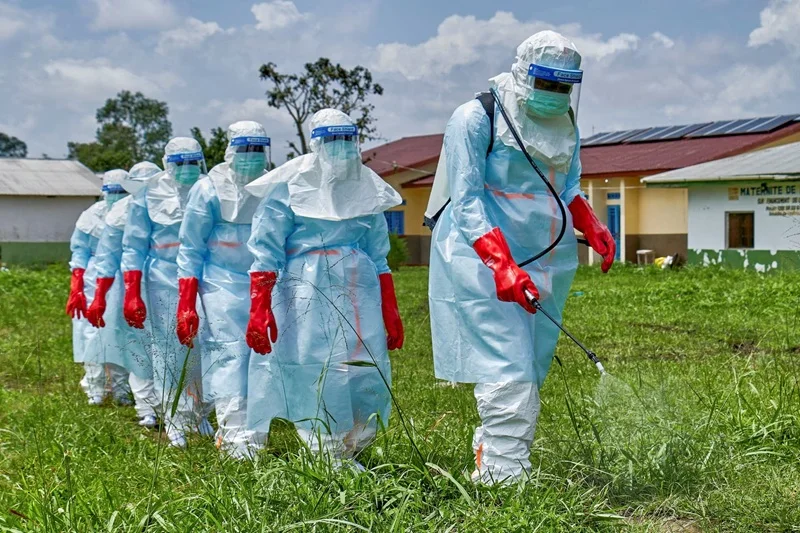
No Approved Vaccine for Bundibugyo Ebola: Three Experimental Vaccines in Clinical Trial Pipeline
The world is facing a serious Ebola outbreak that is different from those in previous years. This time, the virus causing the crisis is Bundibugyo Ebola, a rare strain without an approved vaccine or treatment. When the World Health Organization declared a global health emergency on May 16, health officials warned that the outbreak was quickly spreading through remote areas of the Democratic Republic of Congo and had already entered Uganda. Nearly 400 suspected infections have been reported, and confirmed deaths have surpassed 120. Experts worry the actual numbers could be much higher. Unlike the more common Zaire Ebola strain, Bundibugyo has not been well studied because outbreaks have been rare in the past. However, with cases now crossing borders, scientists and governments are rushing to speed up experimental vaccine programs to prevent the situation from getting worse.
Why Bundibugyo Ebola Is Different
Bundibugyo is one of four Ebola virus species that can infect humans, but it is also one of the least understood. The current outbreak marks only the third documented occurrence of this strain since it was first identified in Uganda during 2007 and 2008. The situation is especially concerning because the current Ebola vaccine, Ervebo, does not provide reliable protection against Bundibugyo. This leaves healthcare workers and vulnerable communities at risk with no effective immunization strategy. Early symptoms often look like common infections. These include fever, muscle pain, headaches, weakness, and fatigue. In severe cases, patients can experience internal bleeding, organ failure, and shock. Health agencies say that delayed detection is one of the biggest challenges, especially in remote areas where medical resources are already limited.
Outbreak Numbers Continue to Rise
The outbreak has hit hard in the Mongwalu and Rwampara health zones, areas already affected by insecurity and armed conflict. Aid workers say access to several communities remains difficult.Current figures reported by health authorities include:
- Nearly 400 suspected infections
- More than 120 confirmed deaths
- Cross-border transmission into Uganda
- At least four healthcare worker deaths within days of detection
- Women accounting for over 60% of reported cases
Public health officials in Uganda are now monitoring more than 600 contacts linked to confirmed cases, with several categorized as high-risk exposures.
No Approved Vaccine Exists for Bundibugyo Ebola
In its emergency briefing, the WHO stated clearly that there are currently no approved treatments or vaccines specifically designed for Bundibugyo virus disease. This situation has pushed researchers to move quickly, using experimental platforms that were developed earlier for other Ebola strains and pandemic preparedness efforts. Emergency authorization pathways may eventually permit limited use during the outbreak, but scientists warn that clinical trial data will still be crucial before widespread distribution.
Three Experimental Vaccines Are Now Moving Forward
Despite the urgency, researchers say progress is happening faster than in earlier Ebola outbreaks. The Coalition for Epidemic Preparedness Innovations (CEPI) has activated its highest emergency response level and committed about $60 million to speed up vaccine development.
Moderna’s mRNA Vaccine Candidate
Moderna is working on an experimental Bundibugyo Ebola vaccine using mRNA technology, the same method that gained attention during the COVID-19 pandemic. CEPI has pledged up to $50 million to support the program. CEPI leaders say early-stage clinical trials could start within months if development schedules remain on track. Researchers think the flexibility of mRNA technology might help scientists respond faster to new viral outbreaks in the future.
Oxford University and Serum Institute of India Partnership
Scientists at the University of Oxford are developing a viral vector vaccine called ChAdOx1 Bundibugyo. This vaccine uses technology similar to the Oxford-AstraZeneca COVID-19 shot and will be produced by the Serum Institute of India, the largest vaccine maker in the world. CEPI has set aside up to $8.6 million to support the project. Researchers involved in this effort hope to start testing the candidate in the next few months.
IAVI’s Single-Dose Vaccine Approach
The International AIDS Vaccine Initiative (IAVI) is also working on a single-dose vaccine candidate using recombinant vesicular stomatitis virus technology, which is similar to the platform behind Merck’s approved Ervebo vaccine. CEPI initially pledged $3.2 million to the program. Some experts believe the single-dose strategy is especially promising among the current vaccine candidates because it could make rapid deployment easier during emergency outbreaks.
WHO Also Evaluating Experimental Treatments
Vaccines are not the only tools being examined. WHO-backed scientific advisors have suggested prioritizing several experimental therapies for clinical evaluation. These include monoclonal antibody treatments and antiviral drugs. The main therapeutic candidates include:
- MBP134 from Mapp Biopharmaceuticals
- Maftivimab from Regeneron Pharmaceuticals
- Remdesivir from Gilead Sciences
Researchers are also looking at the antiviral obeldesivir as a possible treatment to prevent infection after exposure in high-risk contacts. Some early evidence suggests that remdesivir may work better against the Bundibugyo Ebola strain than the Zaire strain, but more clinical data is necessary.
More Stories Worth Exploring
What’s New on HBO Max?
Explore the biggest movie additions streaming on HBO Max this June, from cult classics to recent hits.
How Big Is Backrooms’ Debut?
Discover how Backrooms shattered expectations and became A24’s biggest opening weekend success.
Can Fans Outsmart Ticket Bots?
Check out practical strategies that can improve your chances of securing concert tickets faster.
Why Looks Tonight’s Moon Different?
Explore the science behind tonight’s bright moon and tomorrow’s rare Blue Moon phenomenon.
Where Watch Spelling Bee Live?
Discover how and where to catch the 2026 Scripps National Spelling Bee live tonight.
The Human Toll Behind the Numbers
Healthcare workers remain among the hardest hit. At least four frontline medical staff members died within days of the outbreak being identified. This highlights the severe risks faced by doctors and nurses working without approved vaccines. Women have also made up a majority of reported cases. Officials suggest this may reflect caregiving exposure patterns at home. The WHO has advised against closing borders. They warned that travel restrictions could worsen humanitarian conditions while providing limited benefits in stopping transmission.
FAQs
Is there an approved vaccine for Bundibugyo Ebola?
No. There are currently no approved vaccines specifically for Bundibugyo Ebola virus disease.
Which companies are developing experimental Bundibugyo vaccines?
Moderna, the University of Oxford with Serum Institute of India, and IAVI are all developing vaccine candidates.
How many deaths have been reported?
Health officials have confirmed more than 120 deaths, though experts believe the actual number may be higher.
Why doesn’t the existing Ebola vaccine work?
The approved Ervebo vaccine targets the Zaire Ebola strain and does not provide effective protection against Bundibugyo.
When could clinical trials begin?
Some vaccine candidates could enter human trials within the next two to three months, depending on regulatory approvals and manufacturing readiness.