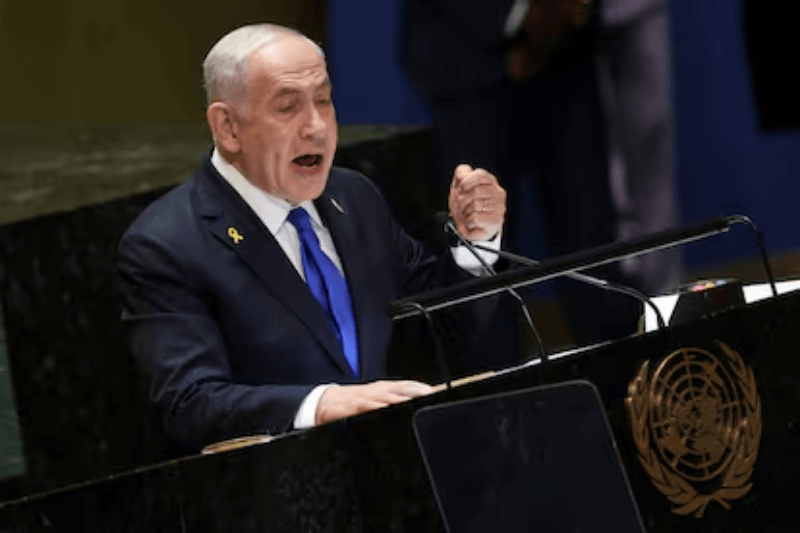
Netanyahu Rejects Truce Plan as Israel Strikes Hezbollah in Beirut
Mr Benjamin Netanyahu the Prime Minister of Israel has rejected a temporary ceasefire arrangement that has been offered by the United States, the European Union, and Arab nations. The plan was to stop the fighting for 21 days. This comes as Israel has deployed new airstrikes on Hezbollah strongholds in Beirut, killing a drone commander.
Key points:
• The US and France produced a ceasefire plan that they believed Israel signed on for.
• Netanyahu’s office said it did not accept the plan and insisted that the fighting should continue.
• All members of the far-right coalition do not support any ceasefire.
• Earlier this week Israeli forces bombed Hezbollah in Lebanon, with estimates putting the death toll at several hundred and thousands displaced.
White House officials were shocked when Netanyahu opposed the plan, which they assumed was backed by the Israeli government. The Prime Minister’s office clarified that Netanyahu never endorsed the plan, although he said he supports it. They also said that fighting in Gaza will go on until all the goals of war are achieved.
Netanyahu’s government includes ministers who do not support any ceasefire. National Security Minister Itamar Ben Gvir threatened to resign if a ceasefire is signed. Finance Minister Bezalel Smotrich also dismissed the peace plan. Foreign Minister Israel Katz demanded further military operations against Hezbollah.
People in the northern part of Israel feel that a ceasefire is likely to result in another aggression similar to the one on October 7. David Azulai, a leader of the Jewish community, called on the government to eliminate the possibility of future attacks.
The war between the state of Israel and Hezbollah has started recently, and the recent operations by the Israelis have led to the death of many Lebanese and displacement. This paper focused on the proposed cessation of hostilities as a way of halting the fighting; however, the rejection of the same implies otherwise.
International efforts to make peace continue to be thwarted as Israel continues with its military actions. It seems they won’t back down, and this situation cannot be considered anything other than the standoffers.
This increasing tension has triggered concern about the impact of the conflict on noncombatants as well as the stability of the region. Thus, refusal of the given plan of reconciliation indicates that peace is unattainable in the given conflict and the path to it cannot be found relatively easily.