NCD-Mental Health Pact: UN’s Global Declaration Targets Diabetes, Depression Epidemics
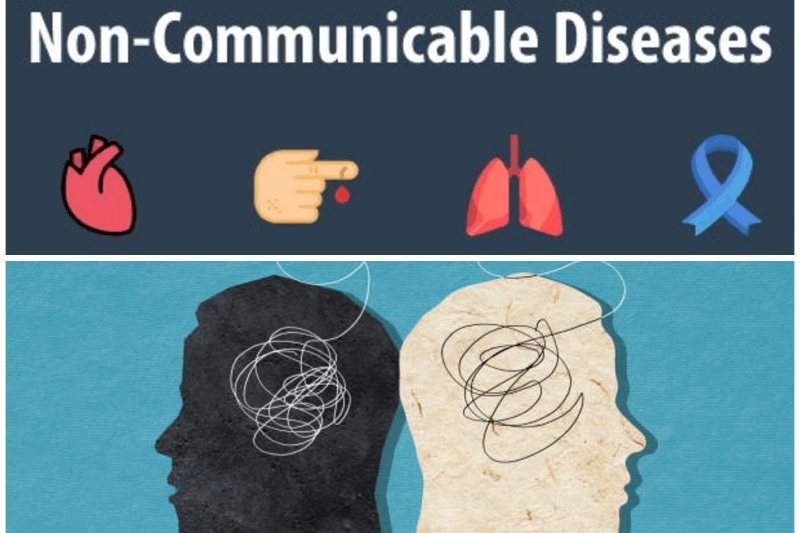
The UN’s new NCD–mental health pact marks a significant attempt to tackle the parallel epidemics of diabetes, heart disease, cancer, and depression through a single global framework. The declaration calls governments to make mental health a part of all strategies on noncommunicable diseases (NCD) so that an individual with diabetes or hypertension is also screened and assisted to deal with the anxiety, stress, and depression. It does not identify depression and other mental health conditions as solitary disorders but as central factors contributing to the aggravation of NCD outcomes, adherence to treatment, and quality of life. The pact, by forcing countries to increase access to primary-care mental health, affordable drugs, and community-based services, will bridge the treatment gap that results in millions of unaddressed individuals.
Why This Pact Matters
- The prevailing NCDs such as diabetes, cardiovascular disease, and cancer already comprise most of the global deaths, especially in the low- and middle-income nations.
- Individuals with NCDs are more prone to depression and anxiety, but mental health is not included in the normal screening and care lines.
- The pact positions integrated NCD–mental health care as essential to achieving universal health coverage and long‑term development goals.
Focus On Diabetes And Depression
- Depression is also a crucial risk factor as the management of diabetes is closely related to the mood, motivation, and adherence to diet, medication, and exercise regimens.
- The declaration proposes joint care packages in which glucose monitoring, counselling, and psychotropic medicines are to be offered within a primary health centre.
- It motivates nations to invest in digital-related tools and models of task-sharing to allow nurses, counsellors and community workers to be involved in supporting physical and mental health.
Implementation Challenges Ahead
- Most health systems continue to be hospital based where mental health budgets are lowly funded and little trained professionals are available at the ground level.
- The effectiveness of the pact will be determined by the fact that the countries should translate UN language into their funded national plans, and the screening, treatment, and follow-up targets are clear.
- Significant change will entail the inclusion of patient groups and caregivers to ensure that services are based on lived experience, as opposed to top-down policy.