

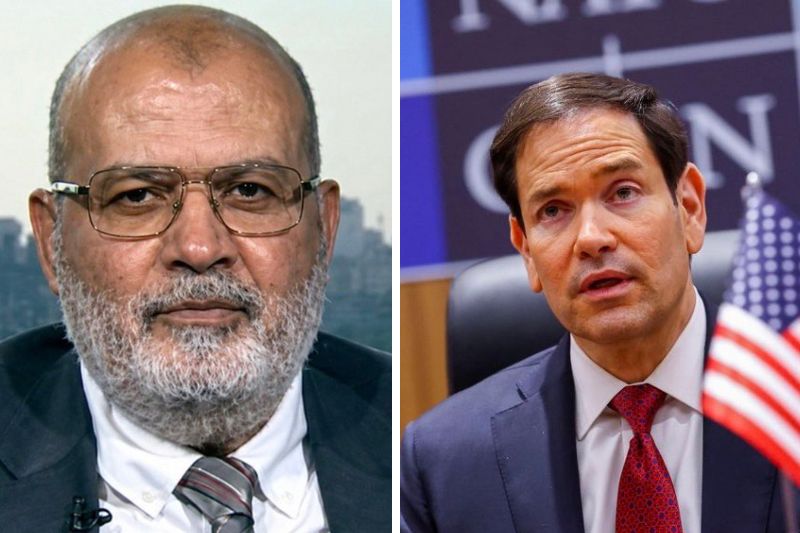
The Rise and Decline of an Islamist Movement Under Regional and U.S. Pressure
The Muslim Brotherhood has been one of the most influential Islamist movements in the Middle East for decades. But today its political footprint looks very different to when it seemed to be gaining ground across the region. A new analysis by The Economist argues that the Brotherhood is now weaker, more fragmented and under greater pressure than at any point in its recent history. The assessment, published in the publication’s August 11 podcast, cites internal divisions and increasing pressure from governments in the Middle East and the United States.
Muslim Brotherhood Faces a New Era of Weakness
The decline of the Brotherhood is not just a question of losing elections or political power. Its more basic problem is the fragmentation of organizations. With the benefit of a wide transnational network to draw on, the various branches and factions are operating under quite different political circumstances. Years of arrests, bans, exile and government pressure have made it increasingly difficult to coordinate. That division has broken the movement’s ability to push a single political strategy. The Economist’s analysis is especially important because it shows the Brotherhood being squeezed from several directions at once. Regional governments have become more suspicious of political Islam, and Washington has hardened its stance on some Brotherhood affiliates.
U.S. Pressure Adds to the Challenge
The American position has become a major factor in the Brotherhood’s fluctuating fortunes. The U.S. Treasury and State Department in January 2026 designated the Egyptian and Jordanian branches as Specially Designated Global Terrorists and designated Lebanon’s al-Jamaa al-Islamiyah a Foreign Terrorist Organization and Specially Designated Global Terrorist. The measures were linked to alleged support for Hamas and other activities Washington deemed destabilizing, it said. It wasn’t over yet. In July, the U.S. The Treasury announced additional sanctions against a senior Egyptian Brotherhood official and entities that it said were involved in financial networks supporting Hamas. For a movement that has depended heavily on international networks, fundraising and political contacts, such measures can have consequences far beyond the individual sanctions.
Regional Fragmentation Is Just as Important
Yet the Muslim Brotherhood’s decline is not only a result of external pressure. The movement has also been split by arguments over leadership, strategy and political priorities. Different national branches have split, and years of repression have destroyed traditional organizational structures. That makes for a difficult paradox. The Brotherhood may retain its ideological appeal, but ideological influence doesn’t always translate into political power. The history of this movement illustrates this well. The Brotherhood won Egypt’s first free presidential election in 2012 but was ousted from power a year later by mass protests and a military intervention. Ever since, it has faced a brutal crackdown in its Egyptian branch.
More Stories You Shouldn’t Miss
Could Tom Holland’s Luxury Stay Surprise?
Discover the lavish details behind Tom Holland’s extravagant stay at Mumbai’s iconic Taj Mahal Palace.
What Makes India’s Brain Atlas Revolutionary?
Explore how Indian scientists are unlocking the mysteries of the human brain with cutting-edge 3D mapping.
Why Did US Seize Iranian Tanker?
Uncover the dramatic events behind the US Navy’s tanker seizure and its impact on India.
Why Reject Two Citizenship Offers?
Find out why Rashid Khan chose loyalty over offers from India and Australia.
How Did Vikram-1 Create History?
Check out how Skyroot’s Vikram-1 became a milestone for India’s private space ambitions.
Why the Brotherhood Still Matters
Decline is not to be confused with disappearance. Yet the Brotherhood’s ideas still resonate in parts of the Middle East and beyond. While the formal structures of the party are weakening, its focus on Islamic identity, social organization and political participation remains relevant for some communities. That means the movement could stay politically relevant without going back to the level of influence it had during the Arab Spring. The problem for governments is therefore more complex than simply facing a weakened organization. When different factions pursue different strategies , a fragmented movement may sometimes become more difficult to monitor and predict .
Frequently Asked Questions
What is the Muslim Brotherhood?
The Muslim Brotherhood is an Egyptian-based Islamist political and social movement established in 1928. It spread to various Middle Eastern countries developing branches and related movements there.
Why is the Muslim Brotherhood weaker today?
Years of government crackdown, political setbacks, leadership disputes and fragmentation and international pressure have eroded its organizational and political influence.
What has the U.S. done to the Muslim Brotherhood in 2026?
In January 2026, the United States imposed different sanctions regimes on the Egyptian, Jordanian and Lebanese branches in connection with terrorism and then added further measures against individuals and financial networks.

