

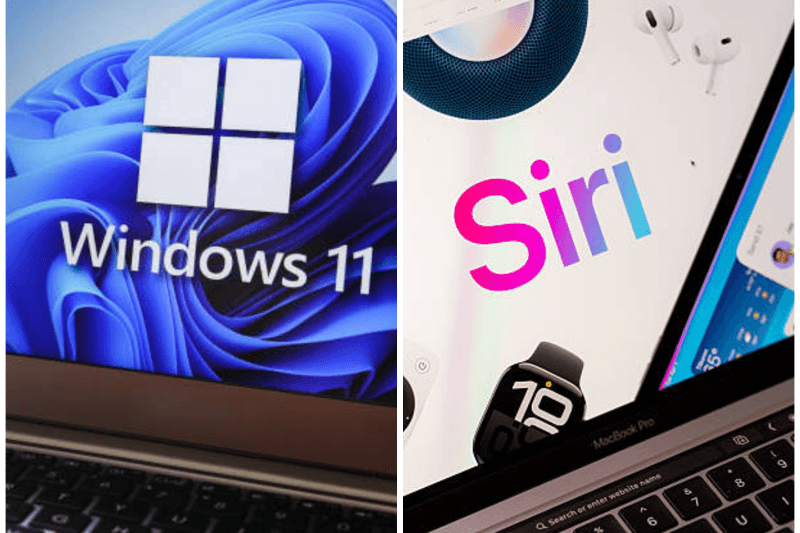
MacBook Pro vs Windows Laptops: Why Professionals Are Making the Switch
Walk into any modern studio, startup office, or co-working space today, and you’ll notice a subtle but undeniable shift. The once-dominant Windows laptops are steadily being replaced by rows of sleek MacBook Pro devices. This isn’t just a trend; it’s a shift driven by real-world performance, reliability, and changing work demands.
A Familiar Frustration And a Turning Point
For many professionals, the change doesn’t stem from brand loyalty but from frustration. Deadlines add up. A heavy render is in progress. Suddenly, the system slows down, the fans get loud, and sometimes everything crashes. This is the breaking point for many users.
Consider freelance motion designers and video editors who have shared their experiences online. Many talk about switching from high-end Windows machines to a MacBook Pro and noticing an instant improvement: fewer crashes, smoother workflows, and a feeling that the laptop simply “gets out of the way.” That reliability is becoming an important factor in their decisions.
How Apple Changed the Game
Apple’s switch to their own semiconductor chips has greatly contributed to changing expectations of performance. Apple’s M-series processors combine performance with energy efficiency to a degree that older generations of laptop processors have yet to achieve. For example, the new MacBook Pro can deliver the same levels of sustained computing performance used for 4K video editing, 3D modeling and programming without the same battery life capacities or heat drawback of many current Windows based laptops. Apple’s philosophy of balancing power and efficiency with the available computing resources has also been more effective than other companies doing the same thing.
What’s Driving the Shift
1. Battery Life That Actually Lasts
One of the most noticeable differences is battery performance. Professionals no longer feel tied to power outlets. A full workday, sometimes more, on a single charge is now realistic with a MacBook Pro. For people working in cafés, offices, and while traveling, that freedom matters more than specs on paper.
2. Performance Without the Noise
Heavy workloads used to lead to loud fans and overheating. Now, tasks like video rendering, compiling code, or running design software feel smoother and quieter. Creative tools and development environments are more optimized for macOS, which lets the MacBook Pro handle intensive work without slowing down during tasks.
3. A Seamless Ecosystem
For users already invested in Apple devices, the ecosystem offers a big benefit. Transferring files, continuing work across devices, or using a tablet as a second screen happens almost instantly. This isn’t just convenient; it saves time every day.
4. Fewer Security Headaches
macOS has a longstanding history of being a more secure operating system as compared to other operating systems when it was first introduced. No operating system is immune from being attacked by hackers or malware; however, users have seen a decrease in malware attacks and require less use of third-party security software (which can slow down their operating system) using macOS. This can save companies money on maintenance costs and IT costs.
Why Some Still Stick With Windows
Despite the rising popularity of the MacBook Pro, Windows laptops are here to stay. Gamers, for example, still rely on dedicated GPUs that are better than integrated graphics. Many industries also depend on specialized software made for Windows. Customization is another major benefit; Windows devices provide a variety of configurations, upgrades, and price options that Apple does not. For budget-conscious buyers, the price gap is still notable.
The Bigger Picture
This change isn’t just about what individual people want; it’s affecting the overall laptop market. Resale value is a factor that often gets ignored. MacBooks usually keep their value longer, which helps balance out the higher initial price for some buyers. At the same time, the rising demand for high-performance, energy-efficient machines is pushing other companies to reconsider their designs.
In places like India, price sensitivity remains important. However, even there, professionals are increasingly considering long-term productivity instead of just the initial cost. Faster workflows, fewer interruptions, and better reliability can lead to genuine financial benefits over time.
FAQs
1. Is the MacBook Pro worth it over Windows for video editing?
Yes, Final Cut Pro crushes Premiere in speed and stability on M-chips. Battery lasts through full projects.
2. Can I run Windows apps on MacBook Pro?
Parallels or VMware run full Windows virtually—perfect for legacy tools without dual-booting.
3. What’s the biggest downside of switching?
Learning macOS shortcuts and fewer gaming options. But for pros, gains outweigh it.
4. How’s the MacBook Pro for coding?
Xcode shines; VS Code, Docker fly. M4 handles ML models effortlessly. Devs love it.
5. Cheaper Windows alternatives to MacBook Pro?
Dell XPS 14 or Lenovo Yoga match specs but lag in battery/build. Test for your needs.
Summary
Why are pros ditching Windows for MacBook Pro? From powerful M-series performance to all-day battery and seamless workflow, here’s what’s driving the shift worldwide.


