


Le Bourget Conference Books Risks: Inside the Quiet Spread of Ideas Challenging France’s Core Values
At first glance, the annual gathering in Le Bourget feels like any other large cultural event in France. There are rows of books, intellectual discussions, and an atmosphere that encourages thoughtful exchange. Visitors move between stalls, flipping through pages and engaging with ideas that seem, at least on the surface, to be part of a genuine cultural space. However, a closer look at some of the material on display reveals a more complicated story. In recent months, concerns have risen about what critics call Le Bourget Conference Books Risks. This refers to a pattern of content that appears to conflict with the basic principles found in French and European law. The issue isn’t just about controversial opinions. It’s about whether certain narratives, when presented as culture or intellectual discourse, start to normalize ideas that fundamentally oppose democratic values.
When Cultural Platforms Create a Sense of Legitimacy
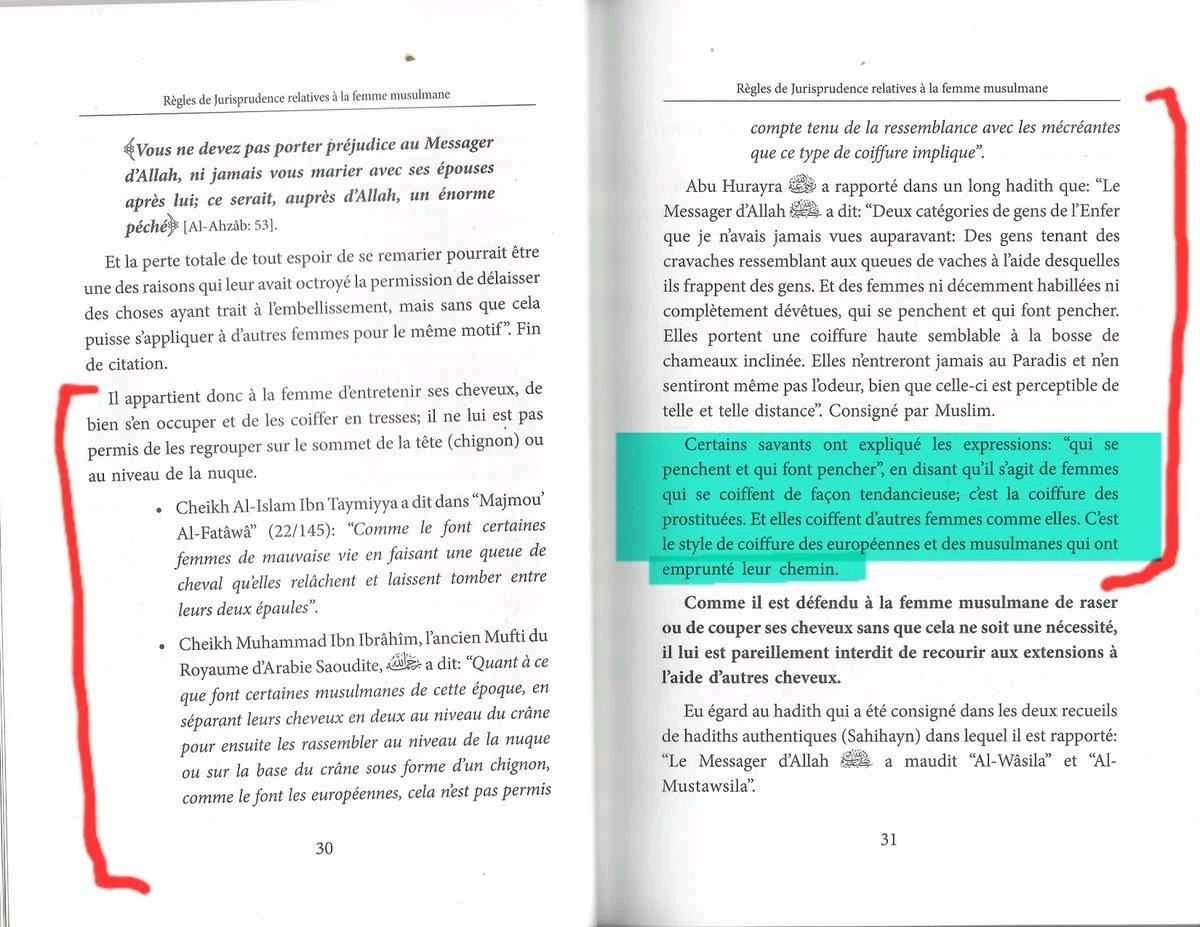
There’s something powerful about context. A book on a shelf at a well-known conference doesn’t seem fringe. It feels reviewed, almost approved. That’s where some observers see a problem. When intellectual materials are presented in places that show credibility, like conference halls, exhibitions, or academic forums, they often avoid the skepticism they might get elsewhere. Visitors assume some level of selection. The environment itself creates trust. In that setting, even controversial ideas can seem less intense, easier to understand. Over time, repeated exposure in these spaces can change how people think. What once seemed extreme starts to feel, if not acceptable, then at least part of a larger conversation. That’s where normalization quietly begins.
A Growing Clash with Legal and Social Frameworks

The concerns about Le Bourget Conference Books Risks are not just about differing ideologies. They come from a deeper problem: conflict with established legal protections. In Europe, laws clearly define certain limits. Incitement to violence, discrimination, child protection, and gender equality are non-negotiable areas.
However, some content pointed out by analysts seems to challenge these boundaries. Narratives that justify violence, promote exclusion, or support unequal treatment do not exist in isolation. They directly conflict with legal systems meant to prevent those outcomes. This changes the conversation from mere opinion to a matter of principle. The question shifts from “Do we agree?” to “Does this contradict the values our societies are built on?”
Soft Extremism and the Power of Gradual Influence

Extremism rarely arrives loudly. More often, it unfolds quietly through repetition, familiarity, and gradual acceptance. Experts increasingly describe this as soft extremism.
Books play a unique role in this process. Unlike speeches or viral content, they are consumed privately. Readers return to them, reflect on them, and internalize them without interruption. The ideas don’t conflict; they settle in.
When such material is introduced in trusted environments, the effect can be stronger. The ideas aren’t just read; they are subconsciously validated by the context in which they are encountered. It’s not immediate radicalization. It’s slow conditioning.
Why Younger Audiences Face the Greatest Risk
The long-term concern becomes clearer when we look at younger audiences. Children and students are still developing their understanding of society, authority, and acceptable behavior. When they encounter content presented as legitimate or authoritative, they are more likely to accept it without fully questioning its implications.
This does not lead to immediate changes in behavior. Instead, it shapes their perspective and gradually influences how future generations understand social norms, relationships, and civic values. In this way, the issue goes beyond the present moment. It raises questions about the kind of societal framework being built over time.
Debates Around Women’s Rights and Equality

Among the most sensitive issues discussed in the Le Bourget Conference Books Risks is how women are portrayed. European societies have spent decades embedding gender equality into both laws and social norms. This is not seen as a negotiable cultural preference; it is a foundational principle.
Content that seems to challenge women’s autonomy, dignity, or equal status raises immediate concern not because it offers a different viewpoint, but because it contradicts established rights. When such narratives are presented without context or critique, they can reinforce outdated views that hinder broader societal progress.
A Slow Drift Toward Social Fragmentation
The most significant risk is not immediate disruption. There are no sudden breaks or instant collapses of social order. Instead, the concern lies in gradual fragmentation. When conflicting value systems begin to coexist, especially when some challenge fundamental legal and social norms, it can erode shared understanding. Trust weakens. Integration becomes more difficult. Communities start to diverge in subtle but lasting ways.
France, like much of Europe, relies on a common civic framework built on widely accepted principles of equality, protection, and mutual respect. The debate surrounding Le Bourget Conference Books Risks ultimately comes down to this: what happens when that shared foundation is quietly challenged, not through confrontation but through normalization?
Why the Real Concern Lies Beneath the Surface
What makes this issue complex is not its visibility, but its subtlety. These are not ideas shouted in the streets. They are printed, bound, and placed on tables that suggest legitimacy. They appear in calm, intellectual settings where critical defenses are naturally lower. That’s why the conversation around them is growing. Not in response to a single event, but as a broader question about how societies maintain their core values in the face of ideas that change, develop, and sometimes quietly take root.
Summary
An investigation into materials presented at the Le Bourget conference reveals troubling narratives from incitement to violence to challenges against child protection and women’s rights raising concerns over long-term societal impact in Europe.


