Iran’s Air Defence Vulnerability in the Face of Israeli Threats
The recent events surrounding Iran’s military actions and the subsequent response from Israel have underscored the critical importance of analyzing the dynamics of air defence systems. As tensions escalate and threats loom, it becomes imperative to delve into the intricacies of Iran’s ageing air defences and their susceptibility to potential attacks.
Iran’s Obsolete Air Defence Infrastructure
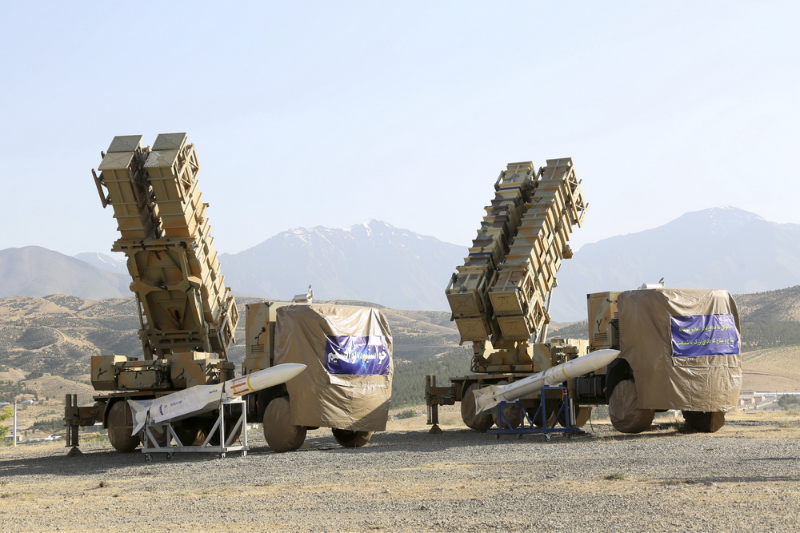
Iran’s air defence capabilities are primarily reliant on outdated systems, predominantly comprised of Russian S-200 and S-300 anti-aircraft missile systems, alongside various domestically produced equivalents. Additionally, the Iranian air force operates with a fleet of ageing American and Russian aircraft, some dating back to the 1970s era. Despite possessing formidable tactical ballistic missile and unmanned aerial vehicle (UAV) capabilities, Iran’s air defence infrastructure remains a significant vulnerability.
Keep Reading
Israeli Defence Superiority
Contrasted against Iran’s antiquated air defences, Israel boasts a sophisticated array of defence systems, including the high-altitude Arrow systems, mid-range David’s Sling, and the short-range Iron Dome. These systems have proven effective in neutralizing threats, such as the recent barrage of ballistic missiles, cruise missiles, and drones launched by Iran.
Strategic Implications and Response Strategies
The strategic landscape surrounding potential confrontations between Iran and Israel is multifaceted. While Israel possesses advanced offensive capabilities and a robust defence network, the decision to retaliate against Iran’s provocations is contingent upon various factors, including the efficacy of thwarting future attacks and the potential diplomatic repercussions.
Future Preparedness and Collaborative Efforts
Recognizing the persistent threat posed by Iran and its proxies, Israel has undertaken extensive efforts to bolster its defence capabilities. Collaboration with allies, particularly the United States, has been instrumental in replenishing stockpiles and fortifying defence mechanisms. Investments in innovative defence technologies and strategic planning are essential components of Israel’s proactive stance against potential adversaries.
In conclusion, the evolving geopolitical landscape in the Middle East underscores the importance of maintaining a nuanced understanding of air defence dynamics. As Iran continues to assert its military prowess, strategic vigilance and collaborative initiatives are imperative for safeguarding regional stability and security.