

Iran War Escalation in 2026: Could Rising Oil Prices Push Up Gas Bills for Americans?
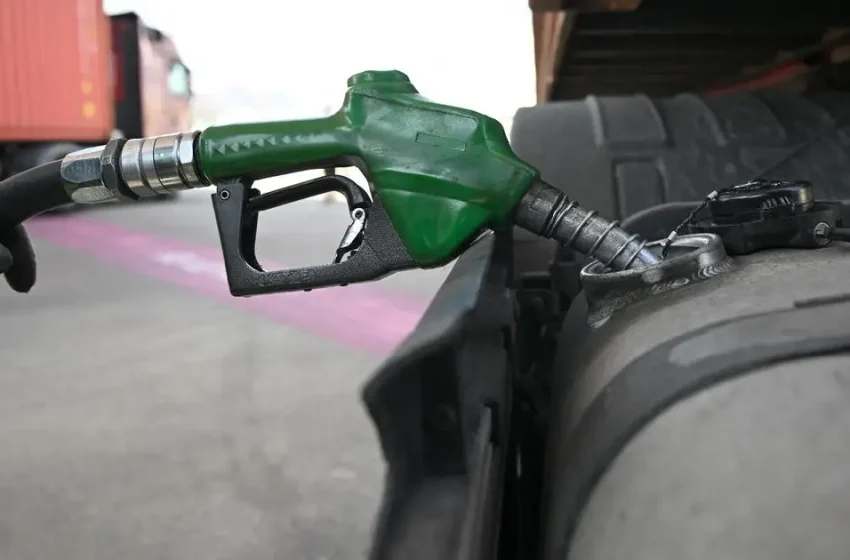
Most people have had the same quiet moment lately. You’re standing at the pump, watching the numbers climb, and you’re doing math you didn’t plan to do. Winter is only weeks away, and the heating bill is waiting. So how bad is this going to get? It depends on one thing most people don’t think about until the bill arrives: how you heat your home.
How a War Far Away Reaches Your Wallet
The war started on Feb. 28, and fuel prices have swung with the fighting ever since. The reason comes down to a narrow stretch of water. Before the conflict, roughly a fifth of the world’s oil passed through the Strait of Hormuz, and Gulf shipments through it have slowed sharply. Squeeze that much supply and everyone pays, including people who couldn’t find Iran on a map.
Where Oil Prices Stand Today
The market is jittery again. Brent crude moved back above $101 a barrel on Wednesday, and U.S. crude sat near $90, as attacks in the strait picked up. British officials have counted at least nine attacks in the waterway this month alone. Talks haven’t helped. Trump turned down Iran’s offer to reopen the strait within a week, and oil jumped more than 3% right after. At the pump, gas hit a national average of $4.56 in May, eased while negotiators talked, then crossed $4 again in July. Gallup found that two-thirds of Americans say fuel costs have hurt their household finances.
Your “Gas Bill” Depends on Your Heat
The pump: no quick relief
Gasoline tracks crude. With Brent hovering around $100, cheaper fill-ups look unlikely soon. Trump has said himself that oil prices probably won’t drop until after the midterm elections.
Heating oil: the hardest hit
If you burn heating oil, mostly a Northeast habit, brace yourself. The EIA expects those households to spend about 21% more than last winter. The National Energy Assistance Directors Association says it could top 30%.
Natural gas: maybe a break
Here’s the surprise. If a gas utility heats your home, your bill could shrink. The EIA projects natural gas bills falling 9% nationwide, and the American Gas Association sees about 14% less, or roughly $497 for November through March. The forecasts don’t all agree, though. NEADA still expects a 5.8% increase. The gap makes sense once you see the supply picture. The U.S. was already exporting natural gas flat out when the war began, so domestic prices barely moved. Storage is also about 2% above the five-year average.
What Analysts Say Comes Next
Nobody is promising a fast fix. The EIA doesn’t expect Middle East production to get near pre-war levels until early 2027. One energy analyst warns that the global reserves that steadied markets for months have been drawn down. America’s own safety net is thinner too. The strategic petroleum reserve fell below 300 million barrels in early August, more than 100 million lower than in January.
Small Moves That Help Right Now
- Heating oil customers: Compare delivery quotes and ask about fixed-price plans before the first cold snap.
- Natural gas customers: Check your utility’s rate notice. Changes often kick in around November.
- Anyone struggling: LIHEAP, the federal heating assistance programme, provides about $4 billion a year, so see whether you qualify.
Prices will keep moving with the war and the talks. For now, how you heat your home matters more than any single headline.
FAQs
Will gas prices drop soon?
Probably not in the near term. Pump prices follow crude, and crude is still around $100.
Will my natural gas bill go up this winter?
Forecasts split. The EIA and AGA expect drops, while NEADA expects a modest rise.
Who gets hit hardest?
Heating oil households, mainly in the Northeast, are facing increases of roughly 21% to 31%.
Is help available?
Yes. LIHEAP and many state programmes offer heating assistance.

