

6.2 Quake Rattles Hokkaido Today: Why No Tsunami Warning and What the Early Damage Reports Reveal
A powerful jolt startled residents across northern Japan early this morning, shaking homes and briefly raising fears of something far worse. At 5:23 a.m., a magnitude 6.2 earthquake struck southern Hokkaido, strong enough to rattle nerves but, at least for now, not strong enough to cause widespread destruction.For many, it was the kind of wake-up call Japan knows all too well. Suddenly Disorienting, It only took a few seconds, but still, one can’t help wondering: Was that the big one?
Where and How the Quake Hit
According to the Japan Meteorological Agency and the United States Geological Survey, the earthquake struck near Sarabetsu in the Tokachi region of Hokkaido.The tremor originated roughly 83 kilometers beneath the surface. That depth made a crucial difference. While the shaking reached upper 5 on Japan’s seismic intensity scale, enough to knock items off shelves and jolt people awake, it stopped short of causing major structural damage. The epicenter lies about 200 kilometers east of Sapporo, in a relatively sparsely populated stretch of the island. That geography likely helped limit the immediate impact. It is quite interesting that the 6.2 earthquake came after a smaller 5.0 magnitude earthquake that had occurred a few hours before.
Why There Was No Tsunami Warning
One detail stood out almost immediately: no tsunami alert. That absence was not an oversight. It was science. Tsunamis typically form when an earthquake causes a sudden vertical displacement of the seafloor. In this case, several factors worked against that scenario. The quake was relatively deep, and its movement did not significantly push ocean water upward. Officials explained that the inland focus and fault mechanics meant there was little risk of wave generation. This stands in sharp contrast to last week’s much stronger offshore earthquake near Iwate, which did trigger measurable waves along the coast.Put simply, not every strong earthquake translates into a tsunami threat, and this was one of those instances.
Damage and Disruptions So Far
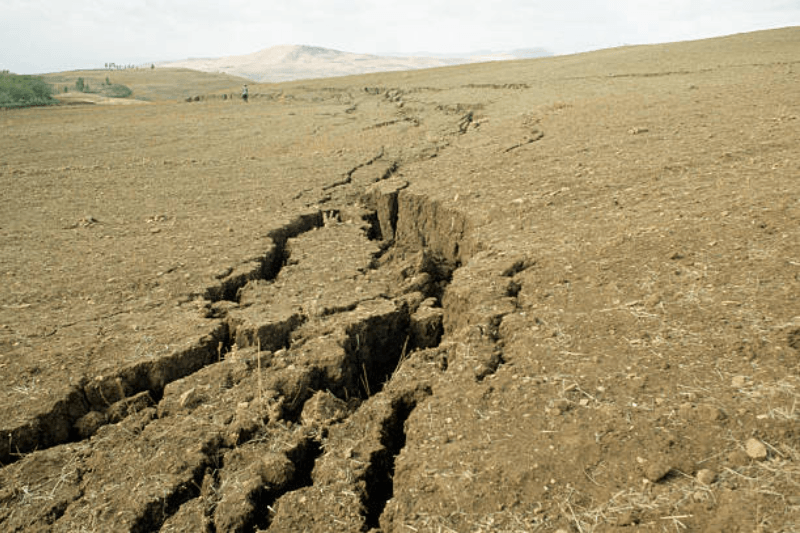
As of now, authorities are reporting no confirmed deaths, injuries, or major building collapses. Tokachi local officials continue to conduct road, home, and infrastructure inspections, although initial indications show that no significant damage has occurred in the area. Light tremors were also felt in parts of Aomori and Iwate, though reports there point only to minor shaking. That relative calm comes as a relief, especially after the more disruptive earthquake earlier this month, which damaged dozens of buildings and temporarily cut power to homes in northern Japan. For now, transport systems appear to be functioning normally, and no large-scale service interruptions have been reported.
A Reminder of Japan’s Seismic Reality
Earthquakes are a constant presence in Japan. It is located in the Pacific Ring of Fire, where many tectonic plates move around. About 1,500 earthquakes occur in Japan each year, contributing significantly to worldwide seismicity. The impact of the 2011 Tōhoku earthquake and tsunami is still fresh in everyone’s mind today. This event occurred due to an earthquake that registered at a strength of 9.0 on the Richter scale. Events like today’s are far less severe, but they still serve as reminders of the risks that never fully disappear.
Aftershocks and Hidden Risks Ahead
Seismologists say this earthquake is not directly tied to any larger megaquake warning, but they are watching the broader pattern closely. Increased activity in recent days has already put parts of northern and eastern Japan on alert for possible aftershocks. Residents are being advised to stay cautious, particularly in areas where landslides could occur. Even when buildings remain intact, unstable ground can pose hidden dangers. For people living in Tokachi and beyond, life is continuing much as usual, though with a sharper awareness of the ground beneath their feet.Japan’s advanced early warning systems and strict building codes once again appear to have done their job. The shaking was real, the fear was real, but the outcome could have been far worse. And in a country where the earth rarely stays still for long, that counts as a narrow escape.
FAQs
1. Was anyone hurt in the Hokkaido 6.2 quake?
No injuries reported yet; low population and depth kept risks low.
2. Why skip the tsunami warning?
Epicenter depth (83 km) and fault type caused no major sea displacement.
3. Any big damage in northern Japan?
None confirmed minor shaking risks like landslides; checks ongoing.
4. Link to recent megaquake warnings?
Not directly, but the area sees high aftershock odds post-7.7 Iwate quake.5. Should people evacuate?
No orders now, but follow JMA alerts for landslides and quakes.
Summary:
A 6.2 magnitude earthquake shook Hokkaido early Monday. No tsunami alert as it was too deep; low damage thanks to sparse population. JMA warns of landslides and more quakes soon after recent 7.7. Stay alert, northern Japan.


