Historic UN Health Pact: A Turning Point for NCDs and Mental Health
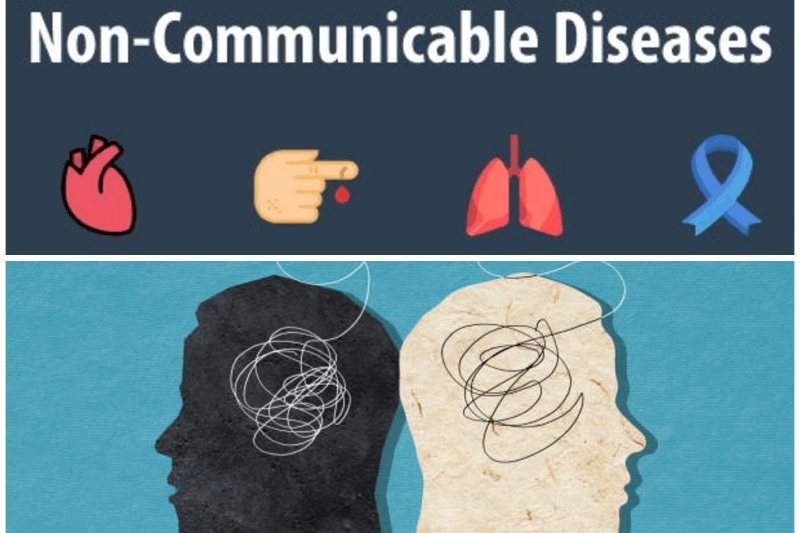
The adoption of a historic UN health pact on noncommunicable diseases (NCDs) and mental health marks a major shift in how the world views public health. Over years, the condition like the heart disease, diabetes, cancer, respiratory diseases, depression and anxiety received less funding when compared to the infectious diseases. Now, this global declaration on NCDs and mental health signals that governments recognize their massive social and economic impact. By setting shared commitments on prevention, treatment, and rights-based care, the historic UN health pact has the potential to reshape health policy, budgets, and services in both high‑income and low‑income countries.
Why NCDs and Mental Health Are Now a Priority
Most of the deaths in the world are caused by NCDs, whereas those with mental conditions are hundreds of millions and they do not often speak about it. The two are closely associated with poverty, inequality, conflict, and climatic stress. However, there are still a lot of health systems that are constructed on short-term emergency reactions as opposed to long-term and uninterrupted care.
The global declaration on NCDs and mental health elevates these issues to the highest political level. It calls on governments to invest in primary care, early diagnosis, and complimentary services that target physical and mental illnesses rather than isolating them.
Key Commitments in the Historic UN Health Pact
The historic UN health pact calls for stronger regulations on tobacco, alcohol, and unhealthy food, as well as policies that support active lifestyles, clean air, and safer cities. It also underlines the availability of cheap medicines, diagnostics, and technologies to deal with chronic illnesses.
In the mental health area, the declaration advocates community-based care, anti-stigma efforts and safeguarding human rights, including the elimination of abusive practices and institutionalization against their will. Countries are encouraged to include mental health in universal health coverage plans and to collect better data to guide policy.
How the Declaration Could Change Policy in Practice
If implemented, this global declaration on NCDs and mental health could change how governments design budgets, workplaces, and cities. Other ministries outside the health sector like finance, education, labor, transport and environment are encouraged to collaborate on prevention and support.Civil society, patient groups, and professionals can use the historic UN health pact as an advocacy tool to hold leaders accountable for promises made in New York or Geneva. Although it is not legally enforced, the declaration establishes explicit expectations and a common roadmap. The real test will be whether countries transform words into action, ensuring everyone can access quality care for NCDs and mental health without facing stigma or financial ruin.