Hidden European Cities Worth Visiting Instead of Tourist Hubs
Most travelers hit the same big-name cities. Paris. Rome. Amsterdam. Ask anyone planning their first Europe trip, and you’ll hear the same list. But beyond the busy landmarks and the lines at museums, other places hum quietly, off the map but not without meaning.
Some cities feel lived-in, not curated. These are the ones where mornings smell like baking bread, and people still greet each other by name.
| Rank | City | Country | Known For | Hidden Charm |
| 1.00 | Ljubljana | Slovenia | River walks | Honest pace, locals waving |
| 2 | Thessaloniki | Greece | Sea views | Food, grit, music |
| 3 | Ghent | Belgium | Old-town feel | Canals, soft evenings |
| 4 | Granada | Spain | Alhambra | Guitars, strong coffee |
| 5 | Budapest | Hungary | Thermal spas | Bridges, night color |
| 6 | Warsaw | Poland | Rebuilt soul | Street art, toughness |
| 7 | Riga | Latvia | Cold charm | Stone faces, warm cafés |
| 8 | Trieste | Italy | Seaside corners | Coffee, faded elegance |
| 9 | Tirana | Albania | Painted blocks | Noise, youth, laughter |
| 10 | Innsbruck | Austria | Alpine views | Quiet pride, crisp air |
Top 10 Underrated Cities in Europe
These aren’t places plastered on airport billboards. No skip-the-line passes needed. Just cities doing their thing, weathered, warm, and real.
1. Ljubljana, Slovenia
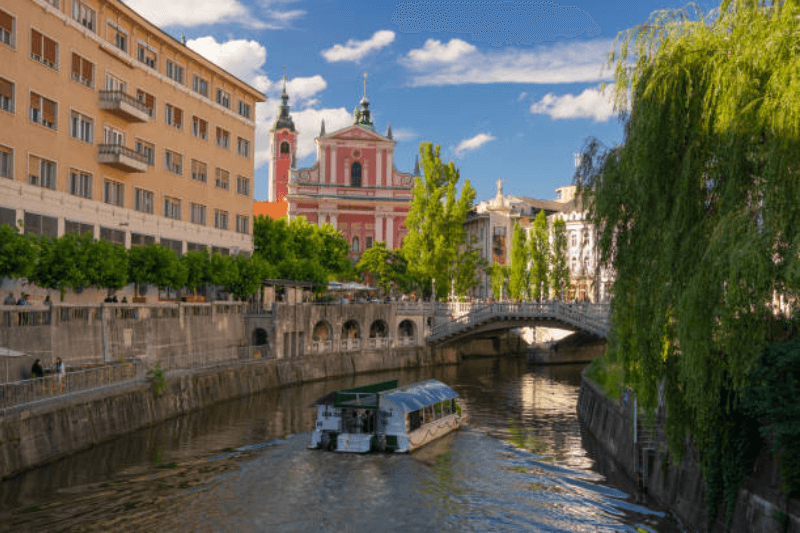
Before 9 a.m., the town is almost still. Only a few cyclists pass near the river. People in bakeries nod to each other without speaking. The castle sits above it all, not imposing, just watching.
2. Thessaloniki, Greece
Sea air mixes with the smell of grilled meat and cigarettes. This place isn’t polished. The streets are cracked, the music is loud, and no one seems interested in pretending. That’s the appeal.
3. Ghent, Belgium
The canal water reflects everything—sunlight, buildings, and old church spires. University students spread blankets across old stone ledges, laughing over cheap wine. Nights are slow and golden here.
4. Granada, Spain
The Alhambra looms quietly. Down below, dogs bark, guitars strum, and shoes click over uneven stones. A glass of wine comes with a small plate of food, always. Locals expect it. No one rushes.
5. Budapest, Hungary
Steam from the outdoor baths rises into the cold air. Bridges stretch across the Danube, glowing at night. In the ruin bars, people lean in close to speak. It’s a place that feels bigger after dark.
6. Warsaw, Poland
Not beautiful in the usual way. Sharp corners. Glass next to brick. But it works. Some parts feel brand-new, others frozen in 1950. The old town was rebuilt by hand. People here don’t forget things easily.
7. Riga, Latvia
Buildings wear quiet faces. Pale yellow, dusty blue, faded pink. The sidewalks crack under winter boots. Inside, cafés are warm and quiet. The city never tries to sell itself, it’s just there, like an old coat that still fits.
8. Trieste, Italy
Salt in the wind. Coffee that makes you sit down. Trieste doesn’t talk much. It lets the sea speak. The city is slow to open up, but if you stay a while, it will.
9. Tirana, Albania
Loud. Fast. Honest. The buildings wear wild colors like they mean it. Nothing matches and that’s part of the charm. Old men sit in groups drinking strong coffee. Teenagers fill the city with noise.
10. Innsbruck, Austria
Cold air. Clean streets. Mountains close enough to touch. In the morning, people carry skis. By noon, they’re drinking beer in the sun. The pace is balanced, quiet, but never boring.
Final Thoughts
Big cities have their place. But sometimes it’s the smaller ones that stay with you. Not because of what they showed, but because of how they made you feel. These cities don’t need to shout.
They give you space. They remind you to slow down, look twice, eat slowly, and maybe even talk to strangers again. The memories from places like these last longer than photographs ever do.
FAQs
1. Why are these cities less visited?
They’re not part of mainstream routes. Tour companies skip them. That’s exactly why they’re worth going.
2. Which one is best on a budget?
Tirana wins easily. Local food is cheap, stays are even cheaper, and you won’t feel like a tourist.
3. What’s the best season to visit?
April to June. September too. Weather’s kind, prices are better, and locals aren’t exhausted by crowds.
4. Are they easy to reach?
Surprisingly yes. Budget flights, trains, buses. Europe connects quietly if you’re willing to look.
5. Is English spoken in these places?
Enough to get by. People will help. Even if they don’t speak English well, they’ll still try.