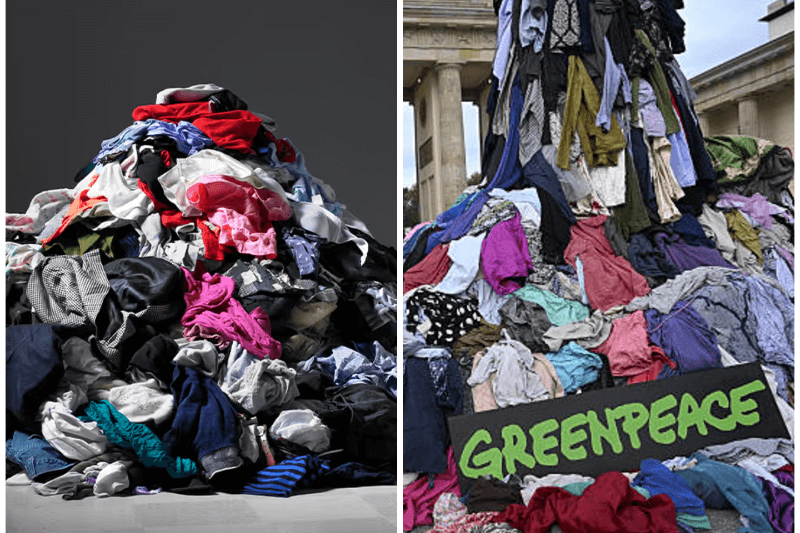
Green or Greenwashed? How “Conscious” Collections and Recycled Fabrics Are Redefining Sustainable Fashion in 2025
Sustainable fashion in 2025 looks greener than ever—at least on the surface. High‑street brands now launch “conscious” collections, promote recycled fabrics, and highlight eco‑labels on every product page. This ought to be good news to climate conscious shopper. Yet questions about greenwashing, transparency, and real impact refuse to go away. Are these sustainable fashion claims actually changing the industry, or just rebranding fast fashion as eco‑friendly? It is critical to understand that there exists a distinction between the truly sustainable things that you can do and the slick marketing that you may like to present to yourself as the one matching your e-values and not only your Instagram feeds.
The Rise of “Conscious” Collections
The large brands have established special lines of their product plans known as conscious or sustainable, which they market as healthier choices. The collections may often contain:
- Garments made with organic cotton or recycled polyester
- Exclusive drops of tags that say eco and more natural color schemes.
- Nature, diversity and ethics based marketing campaigns.
Nevertheless, the business model is frequently the same, namely, the overproduction, the unceasing novelty, and low prices. When only a small percentage of products are labeled “conscious,” critics argue that it looks more like greenwashing than a real shift toward sustainable fashion.
Recycled Fabrics: Solution or Distraction?
Recycled fabrics, especially recycled polyester from plastic bottles, have become a key selling point in 2025. Paperwise, they can be considered as a win: they will facilitate the diversion process of waste, decrease the use of virgin materials. But there are trade‑offs:
- Even recycled synthetics release microplastics when washed.
- Majority of the so-called recycled items are not meant to be recycled.
- Recycling does not deal with excessive production.
When brands rely heavily on recycled fabrics as proof of their eco‑credentials, it can distract from deeper issues like worker rights, supply‑chain transparency, and garment longevity.
How to Spot Greenwashing in Fashion
For shoppers trying to support truly sustainable fashion, learning to decode labels is crucial. Red flags such as the use of vague statements such as eco, conscious or kind to the planet without data, absence of third-party certifications or in-depth impact reporting are red flags. Instead, look for:
- Crystal sourcing data and trace-able supply chain.
- Repair, resale or take-back programs.
- Classic styles that would endure and not fade.
Ultimately, sustainable fashion in 2025 is being redefined not just by “conscious” collections, but by informed consumers who demand honesty over hype.