Why the EU Is Calling for Stronger Borders After the Ceuta Migrant Crossings: What You Need to Know
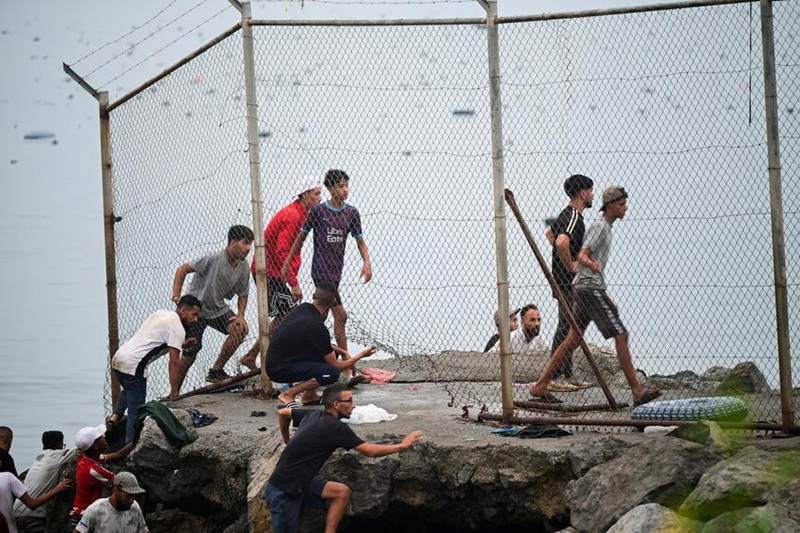
Spain’s Ceuta enclave just became the center of Europe’s migration debate, after tens of thousands of people crossed in from Morocco over a matter of days in late July and early August one of the biggest single surges the continent has seen in years. Most have since been sent back, but the episode has left EU leaders scrambling to explain how it happened and, more urgently, how to stop it from happening again.
A Small Territory With an Outsized Role
Ceuta isn’t much to look at on a map, a sliver of Spanish land wedged onto Africa’s northern coast but it happens to be one of the only places where the EU actually shares a land border with the African continent. That makes it a pressure point. When Moroccan authorities loosen enforcement, even briefly, people move fast. That’s roughly what happened here. Spanish police brought in floating sea barriers and extra patrols, and within days most of the new arrivals had been returned across the border. But not everyone went back. Reception centers filled up quickly, and a number of unaccompanied children were left in the kind of overcrowded, ad hoc conditions that tend to draw criticism from aid groups.
Why Brussels Is Reacting So Strongly
Ursula von der Leyen has been blunt about it: the bloc needs to get better at protecting its external borders and working with neighboring countries before crises like this blow up, not after. The ideas being floated in Brussels right now include:
- Better surveillance systems along external borders
- Deeper cooperation with Morocco and other transit countries
- A harder line on the smuggling networks that move people across
- Quicker deportations for those without a legitimate asylum claim
- Early-warning systems that could flag a surge before it turns into a crisis
There’s also a broader frustration simmering underneath all of this. Spain, Italy, and Greece have said for years that they’re the ones absorbing the brunt of these crises while the rest of the bloc watches from a distance. Ceuta has only sharpened that complaint.
Stay Ahead with Today’s Biggest Global Stories
Can Gaza Peace Finally Last?
Explore how Hamas accepted a ceasefire roadmap featuring complete disarmament and what it means for the region.
Who Made Algeria’s Political History?
Discover how Khalida Boufedeche became Algeria’s first woman parliamentary speaker and why it matters.
Why Are Copper Prices Dropping?
Check what caused copper prices to fall before the Fed’s rate decision and how global supply influenced markets.
How Is Europe Supporting Ukraine?
Explore how the European Commission’s €3.47 billion package will strengthen Ukraine’s defence capabilities.
What Did Zendaya Reveal Recently?
Discover what Zendaya shared about working with Tom Holland and their friendship on the Spider-Man set.
The Part That’s Harder to Solve
Here’s the tension nobody’s really resolved: reaching Ceuta, technically, means reaching Spanish soil which means, at least in theory, access to Spain’s asylum process. That’s precisely why the enclave keeps attracting migrants and, with them, smugglers who know how to exploit the geography whenever tensions between Madrid and Rabat shift even slightly. Human rights groups have been quick to point out the human cost of all this, the deaths reported during the crossings, and the treatment of children who ended up in overcrowded facilities. Their argument isn’t that enforcement is wrong, but that leaning on enforcement alone, without expanding legal pathways or speeding up asylum processing, just pushes the same problem further underground.
FAQ
Why does Ceuta matter so much?
It’s Spanish territory on the African coast, making it one of the EU’s few land entry points from Africa.
Why is the EU pushing for stronger borders?
Officials argue it’s the best way to curb irregular crossings, disrupt smuggling operations, and keep asylum systems from being overwhelmed.
What actually triggered this surge?
A mix of misinformation, active smuggling operations, and shifting political dynamics between Spain and Morocco.
What’s the EU Migration Pact?
A framework aimed at streamlining asylum procedures and getting member states to share the load during migration crises.
What happens to the people who made it to Ceuta?
Their cases go through Spanish and EU legal channels some may qualify for asylum, others face return if they don’t meet the criteria.