

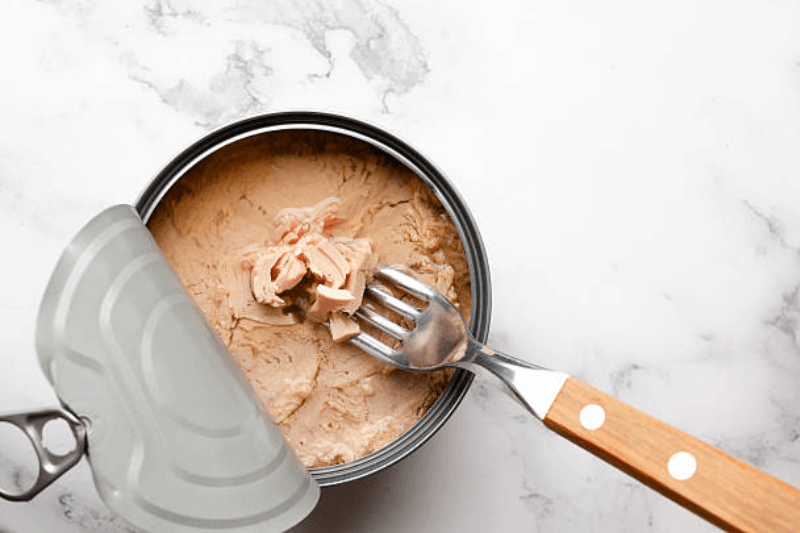
Canned Tuna: Nutrition, Safety, and What Consumers Should Know Before Buying
One might say that canned tuna is the hero of the pantry as it is a quick, affordable, and versatile option. However, the ease of use does still require the necessity of making smart choices. This article will guide consumers through the nutrition labels, safety issues, and many other important factors to consider before making a purchase.
The canned tuna is not only a source of protein, but it also offers very low calorie content. It is also a great source of omega-3 fatty acids, which play a vital role in maintaining heart and brain health. Apart from that, it provides vitamin D, selenium, and B vitamins as well. Yes, canned tuna is a food that can be included in balanced diets when the right one is picked.
Tuna in water has fewer calories and is better for the diet-conscious. On the other hand, tuna in oil gives a richer taste and better absorption of fat-soluble nutrients, but it also contributes to one’s intake of calories. The ultimate decision lies in the individual’s eating habits and taste.
Understanding Mercury Concerns
Tuna has always raised concerns because of its mercury content. Light tuna usually has less mercury than albacore (white tuna), at least that is what the common belief is. In fact, the health care professionals are unanimous in recommending all to use moderation, especially for pregnant women and little ones, to reap the benefits without any risk.
Reading the Label Matters
It is very important to always check labels for the presence of added salt, preservatives, and the country of origin. Labels such as “low-sodium” and “pole-and-line caught” indicate healthier and more sustainable choices. The certifications from reputable seafood councils give more trust in the products.
Sustainability and Ethical Choices
The global issue of overfishing is alarming. The choice of tuna fish from responsible sources will aid in the protection of the marine environment. The brands that do sustainable fishing will eventually lead to a healthier ocean, and in that way, conscious consumers can push this change.
Safety and Storage Tips
Canned tuna after being opened must be kept in the refrigerator and eaten within 48 hours. Do not buy cans whose tops are pressed in, swollen, or leaking, for these could be contamination signs.
Summary
Canned tuna is healthy, simple, and versatile—but only if it is picked right. By getting nutrition, mercury levels, labels, and sustainability straight, consumers can have this staple in their diet safely and responsibly. Smart buying changes a simple can into a healthy meal choice.


