

Apple Watch 2026 Blood Glucose Feature Could Be Apple’s Biggest Health Gamble Yet
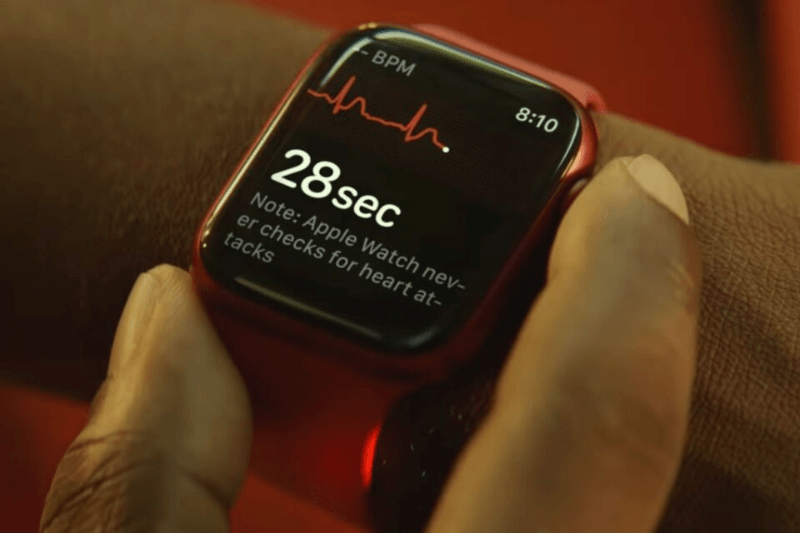
For years, Apple has quietly chased one of the most ambitious goals in consumer health technology: turning the Apple Watch into a non-invasive blood glucose monitor. Now, fresh reports and industry chatter are once again fueling speculation that the long-awaited feature could finally move closer to reality by 2026. If it happens, the impact could stretch far beyond Apple’s ecosystem. Apple Watch is currently dominating the wearables market with its capabilities revolving around heart-related concerns, sleep, fitness, and safety functions. However, glucose monitoring capability stands for a much more significant aspect, which may potentially have an impact on millions of diabetics’ everyday life.
The Challenge Behind Non-Invasive Blood Sugar Tracking
Right now, most glucose monitoring systems still rely on finger-prick blood tests or wearable sensors inserted into the skin. They work, but they can also be uncomfortable, expensive, and inconvenient over time. That is why the idea of checking blood sugar levels through a smartwatch has become something close to a tech industry obsession.
Reports suggest Apple has continued investing heavily in research tied to optical sensors and non-invasive monitoring technology. The company has reportedly tested prototypes for years, though turning experimental hardware into a reliable medical-grade consumer feature remains an enormous challenge. That gap matters. A health feature tied to blood glucose cannot simply be “mostly accurate.” Even small inconsistencies could create serious concerns for users who rely on precise readings to manage medication, food intake, and overall health decisions. Regulatory approval would also be far more demanding than the fitness-focused tools currently found on smartwatches.
A Potential Shake-Up for the Wearables Industry
Still, the rumors alone are generating attention because the potential upside is massive.
Apple’s scale could accelerate the entire wearables industry, forcing rivals to speed up their own health technology efforts while helping normalize advanced health tracking on the wrist. Analysts also believe a successful non-invasive monitor could disrupt parts of the multibillion-dollar diabetes device market, which has long been dominated by specialized medical companies. For consumers, though, the conversation is less about market economics and more about convenience and quality of life. A reliable no-prick glucose monitoring system could remove one of the most frustrating parts of diabetes management. That possibility is why each new Apple Watch leak tends to spark renewed excitement, even when the company itself remains silent.
What the Realistic Outlook Looks Like
The realistic outlook, however, is more complicated than the hype cycle suggests.
Apple’s ambition in this area appears genuine, but a consumer-ready solution is far from guaranteed. Developing a working prototype is one thing. Delivering accurate, medically trusted readings inside a mainstream smartwatch is another challenge entirely.
So while the rumored Apple Watch 2026 feature may ultimately represent hope more than certainty, it still points toward where wearable technology is heading next. And for many people living with diabetes, even the possibility of a painless future is enough to keep watching closely.
FAQs
1. Can the Apple Watch measure blood sugar now?
Unfortunately, the current models of Apple Watch do not directly monitor blood glucose levels.
2. But is Apple working on something like that?
Indeed, there are several sources claiming that for many years now, Apple has been actively developing its own technology of non-invasive glucose monitoring under the code name “E5”.
3. Will it eliminate the need to prick my fingers then?
No, because first of all, any such device should pass the tests of accuracy and receive FDA’s approval.
4. But why is it so crucial for people suffering from diabetes?
It will decrease the discomfort, simplify the process of monitoring the patient’s health and help prevent life-threatening situations in time.
5. When can we expect the release of this feature?
As of today, there is no official information about the release dates of this product.
summary
Apple Watch glucose tracking rumors are back, promising a no-prick future for diabetics, but accuracy, regulation, and timing remain the big questions.


