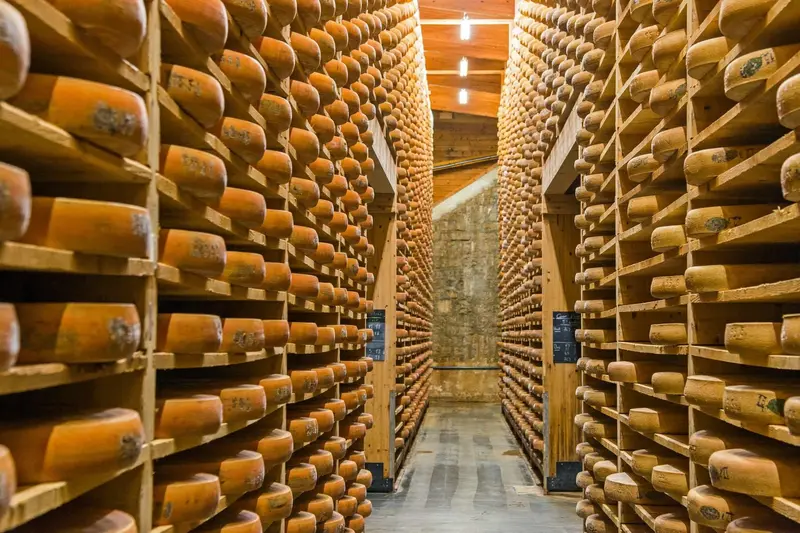
One Man, 20 Countries and a Search for the World’s Rarest Cheeses
From Mongolia’s wide grasslands to the mountain trails of the Balkans, Trevor Warmedahl’s journey asks what cheese can tell us about the place it comes from.
The former commercial cheesemaker from Seattle left his job after realising he used milk from animals he had never seen. He set out to meet the herders, farmers and makers behind rare cheese traditions.
From Seattle to the Mongolian steppe
Warmedahl’s trip came to a crossroads in 2019, when he arrived in Ulaanbaatar, Mongolia. He stayed in a yurt with a dog for company and discovered that milk was more than just sustenance in the lives of the locals. Some women poured milk from the bottle into the air as an act of respect before making cheese, referred to as a milk libation. In homes, he witnessed whey boiling over the fire and fresh, unripened byaslag cheese.
Later, he remained with a herder family on the Zavkhan grassland. It was early in the morning when he would start his day, milking the yaks and following the livestock around the valley. He acquired the art of preparing aaruul, a dried version of milk and/or yoghurt that lasts long. Dairy foods in Mongolia are a reflection of the seasonal pastoralism and preservation of food.
Cheese made by land and tradition
In six years, Warmedahl has walked through more than 20 countries, hitchhiked and driven through them. He records the traditional cheesemaking and pastoral activities, and teaches workshops in natural dairy processing.
In Georgia, for instance, there is a unique variety of feta cheese that is ripened in a sheepskin bag that has been turned inside out, known as Tushuri guda. It is made in Tusheti with sheep’s milk or with sheep’s and cow’s milk. The cheese is salted and left to mature in the bag for about 60 days. The method is associated with the herd and is known as part of the cultural heritage of Georgia.
One time, he walked with shepherds and 300 sheep down a valley for about 130km (81 miles), says Warmedahl. The animals took a seasonal course that their herd had been taking for many generations. Recently he also finished a 193km (120-mile) journey through the Peaks of the Balkans Trail, by tasting cheese along the way.
A journey beyond flavour
For Warmedahl, these cheeses are not simply unusual foods. They carry the memory of landscapes, animals, skills and family knowledge. He calls cheese “an edible manifestation of a place”. His work asks people to look beyond supermarket shelves and consider who makes food, where ingredients come from and which traditions keep it alive.
His advice on unfamiliar flavours is simple: “Don’t try something once, try it 10 times.” The message fits a journey built on patience and curiosity. Each trail leads not only to another cheese, but to the people and stories behind it.
Explore the Stories Shaping America, Travel, Trade, Health, and Climate
Could Nashville Airport Honor Dolly Parton?
Why Did the Netherlands Suspend AstraZeneca?
What Should Americans Know About 2027 Travel?
Which Countries Buy the Most American Products?
Which Cities Face Rising Sea Level Risks?