

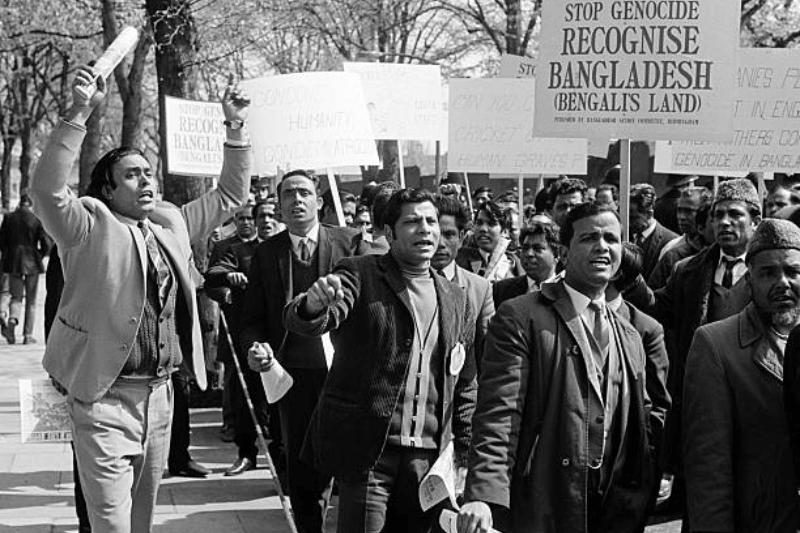
1971 Bangladesh Genocide: Why Global Recognition Matters Now
Imagine a scrappy young nation clawing for independence, only to get slammed by pure hell. That’s 1971 in East Pakistan, birthing Bangladesh amid the Pakistani army’s savage rampage: three million dead, ten million scrambling across borders like ghosts. Forget “war fog”; this was cold-blooded hunting of everyday folks, brainy students, whole neighborhoods. Half a century on, the globe’s still mumbling around the word “genocide.” Digging it up ain’t about grudges it’s paying respects to the vanished and shielding tomorrow’s at-risk souls. With minorities under fire from Ukraine’s rubble to Middle East flashpoints, Bangladesh’s raw tale hits home hard.
What Happened Must Be Named
March ’71, Operation Searchlight kicks off like a thunderclap. Pakistani troops burst into Dhaka University dorms, mowing down kids with books, not gun dreamers, not fighters. Out in the villages, it’s an apocalypse: huts ablaze, women violated in the dirt, dads and kids lined up and shot like stray dogs. Old reports from the International Commission of Jurists lay bare pits full of bodies, death marches, a machine grinding out Bengali souls.
War’s messy, sure, but this? Engineered terror to wipe out a people’s fire. “Genocide” fits like a glove, per that 1948 UN pact on destroying groups wholesale. Dodge the label, and you’re fuzzying the truth, inviting round two.
Minorities Bore the Deepest Wounds
No one was impacted as badly as the Bangladesh minority groups. The biggest, the Hindus, made up 20% of the population at that time. The government of Pakistan labelled them “Indian supporters” as an excuse to set fire to their homes, destroy their temples and uproot their families. Women were subject to unimaginable brutality as well, tens of thousands were raped as a way to humiliate and displace them. The stories of survivors, recorded on survivor’s websites and genocide sites, show families hiding in swamps while looking at their neighbours disappear into thin air.
This is not something exclusive to Bangladesh; it has been happening globally in many other countries. The ethnic cleansing that occurred in the Balkans and the Rohingya expulsions in Myanmar are just two examples of many innocent minorities that always have to bear the brunt of these types of conflicts. In Bangladesh, it was estimated that over two million Hindus lost their lives and that their expulsion was a model of what makes a people vulnerable. This is a strong message that whenever power is used as a weapon against people of a specific faith or identity, the world needs to respond with strength, not stand by and watch.
Justice Delayed is Justice Denied
Proof’s stacked sky-high witness yarns, leaked wires, Pakistan’s own Hamoodur Rahman confessions. UN nods at the “Liberation War” but chokes on “genocide,” a gut-punch void. Geopolitics? Cold War ghosts? UNHCR chats refugees and reckoning, yet skips the name, letting slips happen.
Those left behind ache. Vanished kin’s kin beg answers. Dhaka memorials sigh: facts are out, world’s lagging. Rally ’round the Genocide Convention, ping @POTUS or @UNHCR shift it. Justice on pause? That’s poison, not balm.
Why Recognition Still Matters Today
History’s no dusty tomb; it’s our gritty guide. ’71’s sirens wail, a chorus of caution amidst Ukraine’s struggle, and the Middle East’s tremors, where the defenseless hide. Labeling it only fortifies divisions: harsher justice systems, leaders on edge, and the ghosts of past wounds.
Ignore Bangladesh, and you’re greenlighting the next outrage. It sparks trials like those nabbing ’71 butchers, guards the weak. Bottom line: never again, full stop. Moral North Star for our messes.
Time for the World to Honor 1971 and Prevent Tomorrow’s Horrors
Those ’71 ghosts murmur down Bangladesh lanes, flickering in survivors’ weary gazes they clawed back from cinders. World nod ain’t paperwork; its vow to the fragile: we see, we move. Due the three million ghosts, every picked-on minority: name the genocide, back the promises we mouth. Shared-world dwellers, duty calls raw yell it out, nudge UN gears, lock in lessons before quietly devouring more young lives. The clock’s ticking is acknowledged now.
Summary:
This article urges international recognition of the 1971 Bangladesh genocide, spotlighting targeted atrocities against civilians and minorities while linking them to today’s human rights struggles. It calls for justice, prevention, and moral accountability to protect vulnerable communities worldwide.


