Five Tips To Make Blood Tests Easier. Don’t Worry About The Accuracy!
Blood tests are a common medical procedure. But for the majority of patients, blood collections could be an inconvenience, while others may feel uneasy and anxious. Understanding the procedure better can make the experience more comfortable and effective for you.
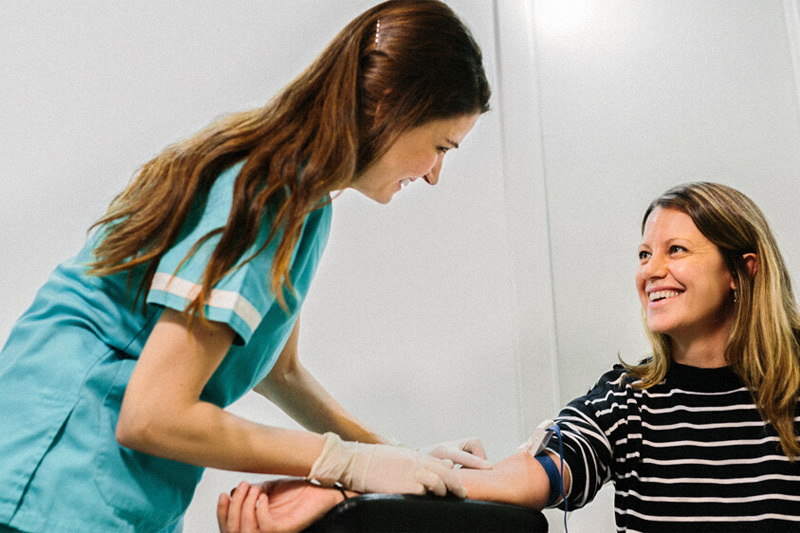
How does a phlebotomist collect blood? During venipuncture or blood draw, the person in charge inserts a needle through the skin into a vein and a small amount of blood is collected and transferred into a test tube. Tubes are sent to a lab for analysis.
For collection, the phlebotomist usually selects a portion where veins are readily accessible, such as the crook of your elbow. Blood can also be drawn from veins in the fingers, wrists or heels. Nonetheless, different tests demand different preparations.
The GP or healthcare provider may ask you to follow specific instructions before a blood test, including temporarily discontinuing certain medications or fasting for up to 12 hours. It is crucial to follow the guidelines meticulously as they can significantly affect the tests’ accuracy.
Keep Reading
Tips To Make Blood Tests More Comfortable
For a better and easier blood collection experience,
1. Drink Plenty Of Water
Hydration is key to a better blood test. Drink plenty of water up to 30 minutes before your appointment in order to improve blood flow and make your veins more accessible.
2. Manage Anxiety
If the sight of blood makes you anxious, look away while the needle is inserted. Keep breathing normally throughout the procedure. Try books or music at the time as distraction could help.
3. Wear Loose Clothes
For an easier blood test, wear clothing that allows easy access to your arms to ensure a less stressful procedure. Think t-shirts, sleeveless tops or shirts with sleeves that roll up all the way.
4. Know Your Risk Of Passing Out
If you are prone to fainting, make sure to inform the phlebotomist. You can have your blood drawn while lying down to minimise the risk of injury. Drink plenty of water.
5. Discuss Difficult Veins
Some people have smaller or scarred veins, primarily due to chemotherapy, blood thinner use or repeated punctures. Blood tests may require multiple attempts in such cases.